Woman's 'Marriage is Prostitution' Claim Ignites Fiery Debate on Sex, Money, and Character in Relationships
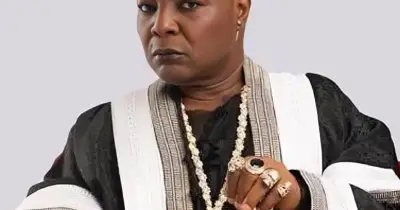
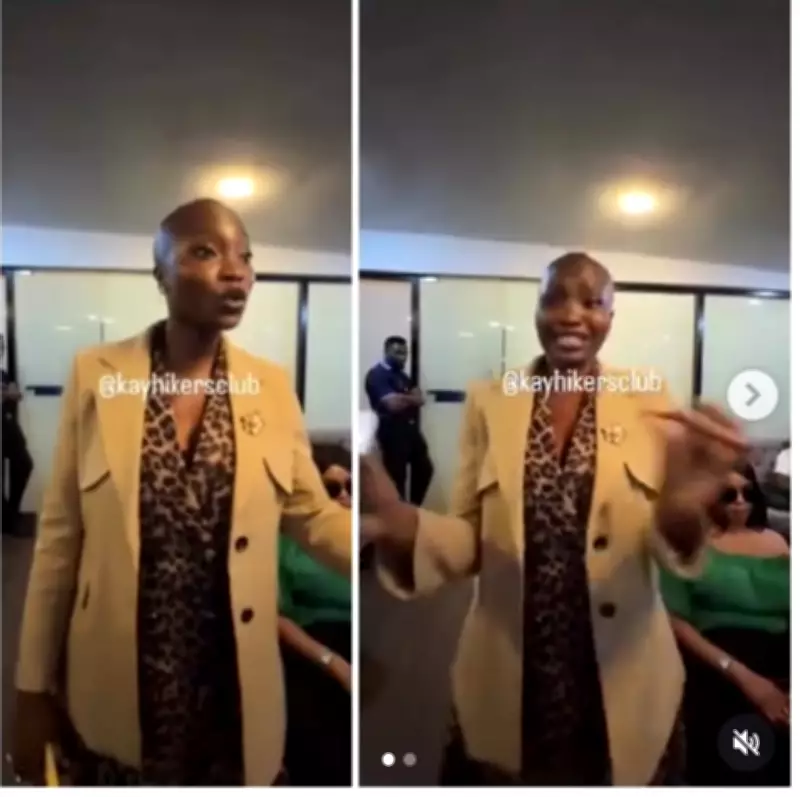
A Nigerian woman has triggered widespread controversy and strong reactions across social media platforms after sharing her provocative views on sex, money, and character within relationships, with particular focus on marriage dynamics. Her comments have opened a heated conversation about what constitutes healthy partnerships versus transactional arrangements.
Sex as a Core Component of Marriage
The woman began her argument by firmly stating that sexual intimacy represents a fundamental, non-negotiable aspect of marriage that should never be downplayed or minimized. She emphasized that despite single individuals sometimes attempting to frame relationships differently, physical intimacy remains absolutely central for both partners in a committed union. This perspective challenges more conservative views that might treat sex as secondary to other marital components.
Marriage as an Exchange System
Her most controversial assertion described marriage as essentially an exchange system involving multiple elements including sex, security, provision, and emotional support. She argued that what people frequently criticize as being transactional in dating relationships actually exists within marriage as well, just in a more socially accepted and institutionalized form. This viewpoint suggests that all relationships involve some degree of give-and-take, whether openly acknowledged or not.
Defining Stinginess in Relationships
On financial matters, the woman provided a clear definition of stinginess within partnerships. She described a stingy person as someone who possesses the financial means but deliberately refuses to provide for or care adequately for their partner. She elaborated that this behavior manifests through everyday decisions affecting basic comfort and overall quality of life, from household expenses to personal luxuries.
Importantly, she noted that stinginess is not gender-exclusive. While often associated with men, she observed that some women with financial resources also refuse to contribute economically because they adhere to traditional beliefs that men should always be the primary providers. However, she maintained that men who can afford better living standards but intentionally limit their family's lifestyle equally qualify as stingy.
Counterarguments and Alternative Perspectives
A second speaker offered a contrasting viewpoint, arguing that not all financial restraint should be automatically labeled as stinginess. According to this perspective, some individuals are simply focused on building their future through careful resource management and long-term planning. This speaker criticized what he described as a growing tendency to treat relationships like financial opportunities, warning that this mindset shifts attention away from core values and genuine long-term compatibility.
The second speaker also addressed comparisons between men earning legitimate incomes versus those involved in fraudulent activities, stating that expecting identical financial output from both categories is fundamentally unrealistic and unfair. This point highlights the complex economic realities many Nigerians face in relationships.
Can Character Truly Change in Marriage?
Regarding whether stinginess can change within marriage, the original woman argued that core character traits rarely undergo significant transformation and may actually worsen under marital pressures and responsibilities. Her opposing counterpart admitted that change is theoretically possible but strongly emphasized that individuals should assess compatibility early in relationships rather than hoping a partner will fundamentally transform later.
This debate continues to resonate across Nigerian social media, reflecting broader conversations about modern relationship expectations, financial responsibilities, and the evolving nature of marriage in contemporary society.