Nigerian music sensation Ayra Starr became the victim of a disturbing online attack this week, highlighting the dark side of emerging technology and the unwavering support of her fanbase.
AI-Generated Explicit Image Sparks Outrage
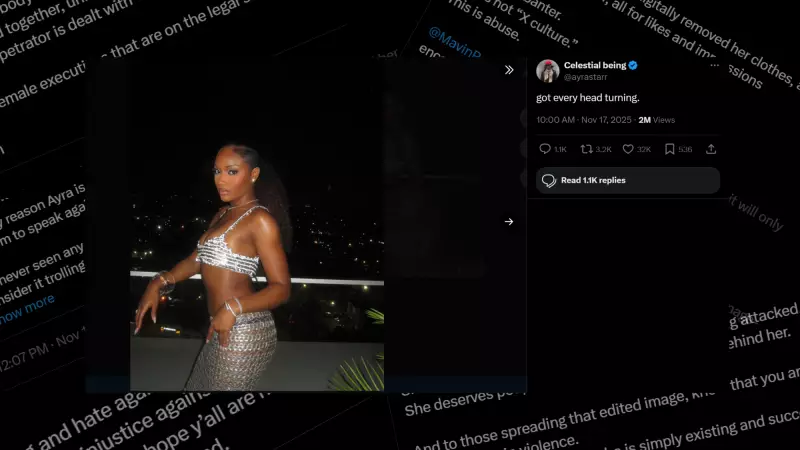
On November 17, 2025, the 23-year-old Mavin Records star, famous for hits like 'Rush' and 'Hot Body', posted a series of personal photos on her social media. A malicious user then quoted her post and used artificial intelligence to create a false and explicit image of the singer.
This fabricated nude image quickly went viral across various social media platforms, drawing widespread attention and condemnation. The swift action of vigilant fans led to the account responsible being suspended, likely due to a flood of reports from concerned supporters.
Fans Mobilize and Demand Justice
The online community, particularly Ayra Starr's dedicated fans, reacted with immediate force. On X, formerly known as Twitter, posts demanding justice for the artist began trending almost instantly.
Many users shared screenshots of the offensive AI-generated content not to spread it, but to condemn the act and emphasize that the image was a complete fabrication that did not represent Ayra Starr. Supporters also called upon her record label, Mavin Records, to pursue legal action, arguing that this incident underscores the specific vulnerabilities female artists face in the digital space.
A Pattern of Harassment and Broader Implications
This event is not an isolated incident for Ayra Starr. As a young female artist in the Afrobeats scene, she has consistently been a target for online trolling. However, fans and observers note that attacks of this invasive nature are often more severe and personal than those faced by their male counterparts.
Many believe that her vocal stance against gender-based violence and misogyny may have made her a specific target for such backlash. This case has reignited crucial conversations about the ethical use of AI technology. Experts warn that as AI tools become more sophisticated, the risk of creating realistic but fabricated content without consent grows, presenting a new frontier for harassment that disproportionately affects women.
The incident serves as a stark reminder of the risks associated with digital visibility. It also demonstrates the power of collective action, as fans used social media not just for support, but to demand accountability from both online platforms and the music industry at large.