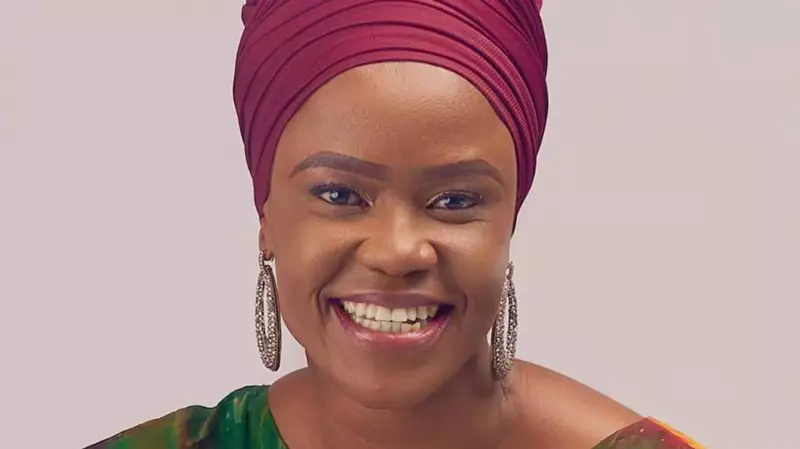
Popular Nigerian vocalist Sola Allyson has sparked conversations by revealing intimate details about her personal life and artistic identity in a recent interview. The singer, known for her soul-stirring music, clarified that she is legally married but maintains a separate residence from her spouse, describing the arrangement as a practical choice for their relationship.
Redefining Marital Living Arrangements
During a candid conversation on Oyinmomo TV, which was uploaded to YouTube on Friday, December 6, 2025, the 54-year-old artist addressed public curiosity about her marital status. Sola Allyson confirmed she is married but does not live under the same roof as her husband. She explained that they each maintain their own homes, a setup she believes functions more effectively for them as a couple.
Allyson attributed their decision to the often unrealistic portrayals of marriage by older generations. She expressed that previous narratives created undue pressure by suggesting that love automatically guarantees cohabitation and perpetual happiness. "I am married but not living with my husband. He stays in his house and I also stay in my house," she stated plainly. "That's the love that people older than us didn't let us know is hard. They make it seem like once you love each other, you will live happily ever after."
"I Am Not a Gospel Artist" - Clarifying Musical Identity
Beyond her personal life, Sola Allyson used the platform to correct a long-standing public misconception about her professional category. Despite the spiritual depth of her songs like the famous "Eji Owuro," she firmly rejected the label of a gospel musician.
"I don't sing religious songs. As I am like this, I don't call myself a gospel artist. My name is Sola Allyson. I am a singer," she declared. The artist, who has been active in the music industry for over two decades, further elaborated on her deliberate choice not to mention Jesus directly in her lyrics. She provided a philosophical reasoning for this approach, saying, "Jesus didn't say we should be mentioning His name. He didn't say we should use His name for PR."
Perspectives on Partnership and Feminism
Allyson also shared her nuanced views on language, partnership, and feminism within the context of marriage. She challenged the common Nigerian phrase describing a woman as being "in her husband's house," arguing that it fosters a problematic sense of male ownership.
"Saying I am in my husband's house is different from saying I married my husband. My husband and I married each other; we are in one another's life," she explained. On feminism, she provided a clear definition detached from anger or male antagonism. "Feminism is not saying men are not good people," she clarified. "What feminism is, before anger came into it because of how women were treated, was that the choice that men have to do whatever they wish should also be given to women."
The singer's revelations offer a fresh perspective on balancing personal autonomy with marital commitment, challenging traditional norms in both lifestyle and artistic expression. Her message-driven career continues to evolve, now encompassing not just music but also commentary on social and relational structures.