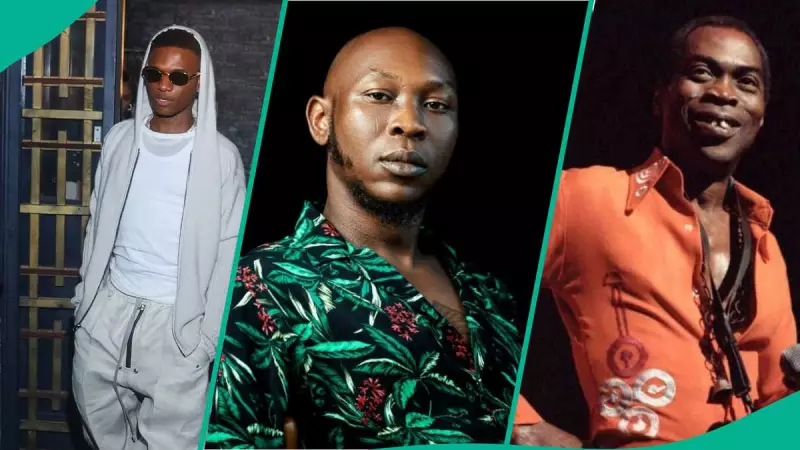
Wizkid Reignites Online Feud with Seun Kuti in Fiery Social Media Exchange
Nigerian music superstar Ayodeji Balogun, popularly known as Wizkid, has resumed his public spat with Seun Kuti, the son of legendary Afrobeat pioneer Fela Kuti, through a series of heated tweets that have captured the attention of fans and the entertainment community. The conflict, which revolves around perceived disrespect toward Fela's legacy, has escalated significantly on social media platforms.
The Origins of the Conflict and Accusations
The dispute began when Seun Kuti initiated a series of online videos criticizing Wizkid and his dedicated fanbase, known as Wizkid FC. Kuti accused the singer's supporters of disrespecting his late father, Fela Kuti, and labeled them as cowards for their online behavior. He further criticized Wizkid for allegedly failing to control his fans and address their actions appropriately.
In response, Wizkid took to his X (formerly Twitter) account to launch a counterattack against Kuti. The "Ojuelegba" crooner referred to Seun Kuti as "Auntie Seun" in his tweets, suggesting feminine characteristics and making personal allegations about Kuti's lifestyle choices. Wizkid claimed that Kuti had been using recreational substances and adopted fashion choices like wearing skirts and painting nails, which he used as justification for the gendered nickname.
Wizkid's Provocative Social Media Strategy
The Grammy-winning artist escalated the confrontation by directly tagging Seun Kuti in his posts and calling him a "hungry bird," implying that Kuti was seeking attention through the controversy. Wizkid accompanied these remarks with emotional emojis, including crying and love symbols, creating a complex tone that blended mockery with apparent emotional investment in the dispute.
In one particularly pointed tweet, Wizkid dismissed Kuti as being "too small" for his attention, stating that the only member of the Kuti family he respected was the late Fela himself. This remark further intensified the personal nature of the conflict and highlighted the generational tensions between contemporary Afrobeats artists and the guardians of traditional Afrobeat legacy.
Fan Reactions and Social Media Backlash
Wizkid's fanbase quickly mobilized in support of their favorite artist, amplifying the conflict across social media platforms. Fans enthusiastically adopted the "Auntie Seun" nickname and flooded Kuti's social media accounts with comments and tags. Many supporters claimed they had previously warned Kuti against provoking Wizkid FC, suggesting the singer would deliver devastating responses to any criticism.
The fan reactions included creative comparisons and memes, with one user declaring "Wizkid cook pass Hilda Baci," referencing the popular Nigerian chef and suggesting Wizkid's verbal skills surpassed her culinary achievements. Other comments ranged from amusement at the situation to genuine concern about the escalating nature of the celebrity feud.
Broader Context and Industry Implications
This latest conflict occurs against a backdrop of ongoing tensions within Nigeria's music industry, where debates about artistic legacy, generational respect, and social media conduct frequently surface. The Wizkid-Seun Kuti feud represents more than just personal animosity—it reflects deeper conversations about how contemporary artists engage with Nigeria's musical heritage and the appropriate boundaries for fan culture.
Interestingly, this controversy emerges alongside other industry disputes, including recent criticism of Wizkid by media personality Daniel Regha regarding the singer's comments about fellow artist Davido. These interconnected conflicts highlight the complex dynamics of celebrity relationships in Nigeria's entertainment landscape and the significant role social media plays in amplifying personal disagreements into public spectacles.
As the online exchange continues to generate reactions across Nigeria's entertainment community, observers are watching to see whether this represents a temporary social media flare-up or a more sustained conflict between two prominent figures in Nigerian music. The situation underscores how digital platforms have transformed celebrity disputes into real-time public events with significant audience participation and commentary.