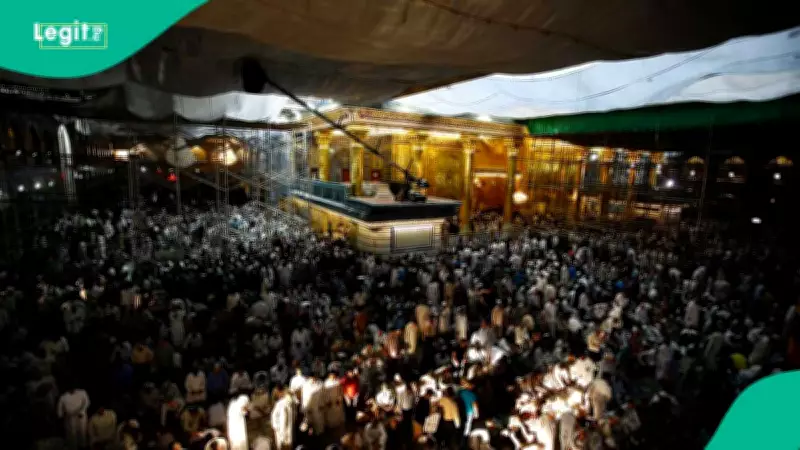
The Day of Arafah, falling on the 9th of Dhul Hijjah, is one of the most sacred days in Islam. It is a day of immense mercy, forgiveness, and spiritual reward. Whether you are performing Hajj or observing from home, there are many ways to make the most of this blessed occasion. Here is a simple guide to seven important things Muslims should do on Arafah Day.
1. Prepare the Night Before Arafah Day
The night before Arafah Day is a valuable opportunity to set your intentions. Make a sincere plan to fast, engage in supplication (Du'a), remembrance of Allah (Dhikr), or acts of charity. Preparing your heart and mind ensures you approach the day with focus and purpose.
2. Fast on Arafah Day
Fasting on this day is a highly recommended Sunnah. Prophet Muhammad (peace be upon him) said: "Fasting on the Day of Arafah expiates the sins of the past year and the coming year" (Muslim). For those not performing Hajj, fasting is a powerful way to seek Allah's forgiveness and mercy.
3. Make Duas (Supplications)
The Prophet (PBUH) said: "The best supplication is the supplication on the Day of Arafah" (Tirmidhi). One of the most recommended duas is: "None has the right to be worshipped except Allah, alone, without a partner. To Him belongs sovereignty and all praise, and He is over all things omnipotent."
4. Engage in Dhikr (Remembrance of Allah)
Increase your remembrance of Allah through optional (Nafl) prayers, Qur'an recitation, and sending Salawat upon the Prophet (PBUH). Recite Tahleel (Laa ilaaha il-lal-laah), Takbeer (Allahu Akbar), Tahmeed (Alhamdulillaah), and Tasbeeh (Subhanallaah) as much as possible.
5. Perform Takbir After Prayers
In the Hanafi madhab, it is wajib (required) to recite the takbir after each obligatory prayer from Fajr on the 9th of Dhul Hijjah until Asr on the 13th: "Allah is the greatest, Allah is the greatest, there is no god but Allah. And Allah is the greatest, Allah is the greatest, and to Allah belongs all praise."
6. Prepare for Qurbani (Sacrifice)
Qurbani is performed between the 10th and 12th of Dhul Hijjah, ideally on the first day of Eid al-Adha. It is obligatory in the Hanafi madhab for every sane adult Muslim with wealth above the nisab threshold. Donating your Qurbani ensures you fulfill this act of worship and share blessings with others.
7. Seek Forgiveness and Wake Before Fajr
The Prophet (PBUH) said: "There is no day on which Allah frees people from the Fire more so than on the day of Arafah" (Muslim). Wake before Fajr to eat Suhoor, pray Tahajjud, and make heartfelt duas during the last third of the night. This is a time when prayers are especially accepted.
The Day of Arafah is a chance to renew your faith, seek forgiveness, and draw closer to Allah. Whether through fasting, Dhikr, or Qurbani, every act of worship carries immense reward. As the Prophet (PBUH) said: "Hajj is Arafah" (Nasa'i). Make the most of this blessed day by combining intention, worship, and charity.