Nigerian Singer 9ice Discloses His Religious Identity as a Babalawo After 18 Years of Secrecy
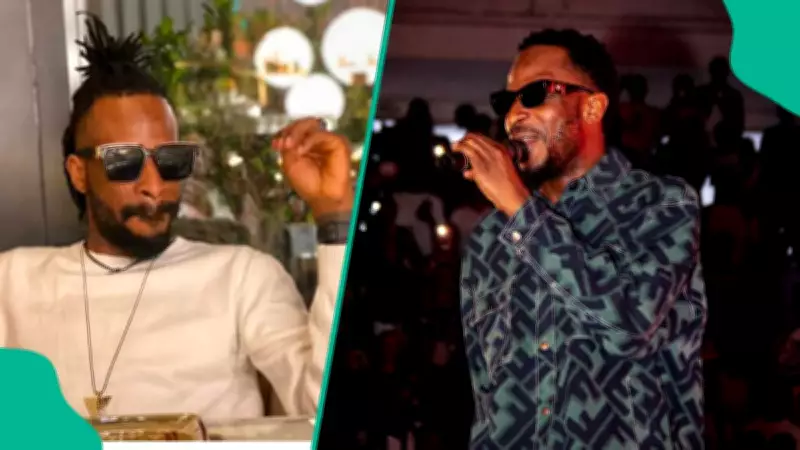
Nigerian singer Akande Abolore Adegbola Alexander, widely known as 9ice, has made a startling revelation about his personal beliefs during a recent public event. The acclaimed artist, famous for hits like Gongo Aso and No Be Mistake, openly shared that he has been practicing as a Babalawo, a priest in the traditional Ifa religion, for over 18 years. This disclosure marks a significant moment in his career, as he had deliberately kept this aspect of his life hidden from the public for nearly two decades.
Reasons Behind the Long-Term Secrecy
In a recorded statement, 9ice explained his decision to conceal his religious affiliation, citing fears of social ostracization. He expressed concern that if people discovered he was a Babalawo, they might start avoiding him due to misconceptions or stigma associated with traditional African religions. The singer emphasized that he wanted to maintain his public image and avoid potential backlash, which led him to keep his faith private while continuing his music career.
9ice also detailed how he practices his religion, noting that he sought guidance from experienced practitioners to understand the intricacies of Ifa worship. He mentioned participating in Odun Ifa, a celebratory festival within the religion where followers express gratitude to their deity for past blessings and future prospects. This insight into his spiritual journey highlights the depth of his commitment to his beliefs, despite the secrecy.
Fan Reactions and Lyrical Clues
The revelation has sparked a wave of reactions from fans and followers, many of whom were taken aback by the news. Some fans expressed disbelief, questioning whether they had unknowingly engaged with religious invocations in his song lyrics. Others noted that his music has long contained subtle hints, such as proverbs and themes, that suggested he was neither Muslim nor Christian, pointing to a possible ancestral calling reflected in his artistry.
Social media platforms buzzed with comments, ranging from humorous to supportive. For instance, one user joked about wanting to "turn back time" after dancing to his songs, while another encouraged him to "practice your Ifa in peace." This mixed response underscores the diverse perspectives on traditional religions in contemporary Nigerian society.
Broader Context and Previous Disclosures
This is not the first time 9ice has touched on spiritual matters in public. In a previous interview on Nancy Isime's show, he discussed the deeply spiritual nature of the music industry and revealed that he once suffered from a non-medical illness for many years, attributing it to spiritual causes. These earlier comments provide context for his latest revelation, suggesting a consistent engagement with spirituality throughout his life.
Additionally, 9ice was recently honored by the Bariga Local Council Development Area, alongside other notable figures like Olamide and King Sunny Ade, indicating his enduring influence in Nigerian culture. This recognition contrasts with his personal secrecy, highlighting the complex interplay between public persona and private belief in the entertainment world.
The singer's decision to finally open up about his religion after 18 years reflects a growing trend of celebrities embracing and sharing their authentic identities, potentially encouraging broader conversations about religious diversity and tolerance in Nigeria.