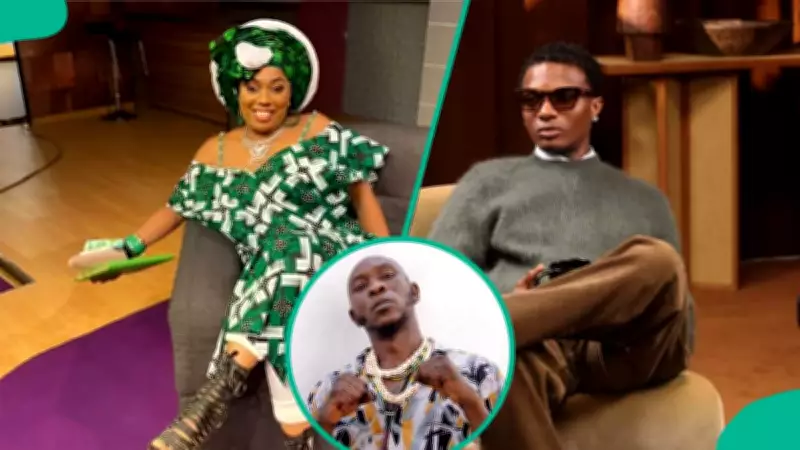
Nigerian Entertainment Figures Step Into Seun Kuti and Wizkid's Contentious Online Dispute
The Nigerian entertainment industry witnessed a significant controversy in early 2026 as a heated online feud between musician Seun Kuti and global superstar Wizkid escalated, drawing intervention from multiple celebrities. The conflict originated when Seun Kuti publicly criticized Wizkid's fans for making disrespectful comments about his late father, the legendary Afrobeat pioneer Fela Anikulapo Kuti. As the exchange gained momentum across social media platforms, it polarized observers and prompted calls for de-escalation from industry colleagues who emphasized respect for musical heritage and legacy.
Yeni Kuti Advocates for Respect and Caution
Yeni Kuti, the eldest daughter of Fela Anikulapo-Kuti, emerged as a key voice attempting to mediate the situation during an appearance on Television Continental. She carefully avoided taking sides, describing Wizkid as someone she loves and considers a friend, while recalling his past participation as a backup performer at Felabration events. Yeni expressed disappointment that the singer had not cautioned his fans about their role in escalating the controversy. She explained her initial reluctance to engage with the online dispute due to the excessive level of insults being exchanged, noting that attacks directed at the Kuti family represented insults against Nigerians collectively.
"Fela has been deceased for twenty-seven years, yet his name remains profoundly relevant in contemporary discourse," Yeni observed, highlighting the enduring depth of her father's legacy. She pointed to international examples, questioning whether Jamaicans would insult or fight Bob Marley, and advised those seeking confrontation to focus on living individuals rather than disrespecting the deceased.
Industry Voices Weigh In on Generational Respect
Singer Jaywon, known professionally as Oluwajuwonlo Iledare, contributed to the conversation by emphasizing the importance of younger artists showing respect toward their predecessors. He cautioned against mistaking streaming numbers for genuine artistic success, arguing that music should be valued for its power to inspire and connect with people rather than being reduced to mere statistics. Jaywon reminded audiences that legends like Fela Kuti and Bob Marley maintained relevance decades after their time due to cultural impact rather than commercial metrics.
Social media activist Martins Vincent Otse, popularly known as Verydarkman, criticized Wizkid for perceived disrespect toward Fela Kuti. He argued that Wizkid's fans initiated the controversy while describing them as online warriors who rarely engage with substantive national issues. Verydarkman highlighted Wizkid's musical sampling of Fela's work and his tattoo of the Afrobeat icon as evidence of the younger artist's previous respect for the legend. His commentary sparked backlash from Wizkid's supporters, resulting in one of his social media accounts being reported and temporarily removed.
Media Personalities and Artists Call for Perspective
Media personality Daddy Freeze, whose real name is Ifedayo Olarinde, addressed the dispute during his Instagram live sessions by drawing clear distinctions between Fela's multifaceted legacy and contemporary musical success. He stated that Wizkid could not be placed on the same level as Fela because the latter's influence extended far beyond music into activism and civil rights advocacy. Daddy Freeze warned that continued online attacks risked dragging Fela's legacy into unnecessary controversy, emphasizing that this cultural impact belonged to all Nigerians collectively.
Controversial singer Portable, born Habeeb Olalomi Badmus, took a different approach by declaring himself the biggest artist and even referring to himself as "the new Fela" in a video response. Rather than calling for peace, he asserted his own prominence within the industry while the dispute unfolded.
Veteran Perspectives and Appeals for Calm
Veteran entertainer Charles Oputa, widely known as Charly Boy or Area Fada, shared thoughtful perspectives across his social media platforms. He framed the controversy as being less about determining who was greater and more about appreciating whose music genuinely touches the soul. The seventy-five-year-old musician highlighted the unique traits of both Fela and Wizkid while acknowledging their different purposes and influences within the musical landscape.
Nollywood actor Yomi Fabiyi made a direct appeal to Wizkid through a lengthy Instagram post, advising the singer to remain calm and avoid responding to the surrounding chaos. He specifically urged Wizkid not to remove his Fela tattoo, praising the late Afrobeat pioneer as a voice for the voiceless who consistently stood against corruption during his lifetime.
The intervention of these seven prominent figures underscored the broader cultural tensions between respecting musical heritage and navigating contemporary celebrity dynamics within Nigeria's entertainment industry. Their collective responses reflected deep concerns about preserving Fela Kuti's legacy while addressing the responsibilities of modern artists toward their predecessors and the cultural foundations upon which current success has been built.