Nollywood Actor Frederick Leonard Takes Legal Action Against Stanley Ontop Over Defamation Claims
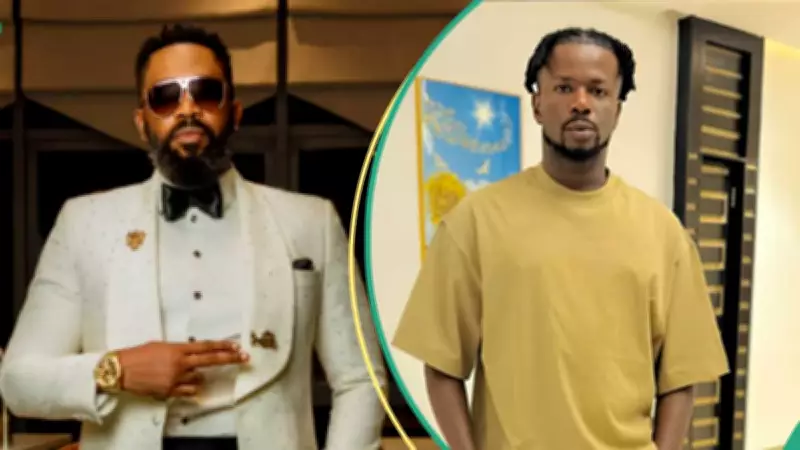
In a significant development within Nigeria's entertainment industry, acclaimed Nollywood actor Frederick Leonard has officially filed a defamation and libel lawsuit against filmmaker and blogger Stanley Ontop. The legal action marks a dramatic escalation in a long-standing dispute between the two prominent figures, with Leonard alleging sustained attacks on his reputation over the past two years.
Legal Documents Revealed on Social Media
Frederick Leonard publicly announced the lawsuit through his Instagram account, sharing comprehensive screenshots of the formal legal documents. In his accompanying statement, Leonard emphasized that the matter would be pursued rigorously through proper judicial channels. He asserted that individuals making allegations must be prepared to substantiate them with concrete evidence, indicating that this case represents a broader stance against unfounded claims in the industry.
The lawsuit specifically accuses Stanley Ontop of repeatedly disseminating defamatory content without provocation. According to the filed documents, these alleged actions include spreading false information that has severely damaged Leonard's professional integrity and reportedly resulted in substantial financial losses, including missed job opportunities and diminished earnings.
Stanley Ontop's Defiant Response
Stanley Ontop responded to the lawsuit with characteristic boldness, dismissing the allegations and expressing readiness to confront Leonard in court. In his social media reaction, Ontop stated he was awaiting official police invitation and declared his preparedness for the legal process. His response included colorful language asserting his position and challenging the basis of Leonard's claims.
Ontop's reaction suggests he views the lawsuit as an opportunity rather than a threat, positioning himself as undeterred by legal proceedings. This defiant stance sets the stage for what promises to be a closely watched legal battle within Nigeria's entertainment community.
Industry and Public Reactions
The news has generated significant discussion across social media platforms, with various commentators offering perspectives on the developing situation:
- Support for Leonard: Many users applauded Leonard's decision to pursue legal action, describing it as a classy response to what they perceive as persistent online harassment. Some commentators characterized Stanley Ontop as an internet nuisance who should be held accountable for unprovoked attacks on industry professionals.
- Legal Profession Benefits: Several observers humorously noted that lawyers appear to be experiencing increased business opportunities from such cases, with one commenter even suggesting they should have pursued legal studies given current trends.
- Mixed Perspectives: While some expressed support for Leonard's action, others offered more nuanced views, acknowledging concerns about Ontop's approach while also questioning aspects of the situation. One commenter specifically mentioned the distinction between petitions and lawsuits, encouraging others to educate themselves on legal terminology.
Broader Context and Implications
This legal confrontation occurs against a backdrop of increasing attention to reputation management within Nigeria's entertainment industry. As social media continues to amplify both positive and negative narratives about public figures, more celebrities are considering legal options to address what they perceive as damaging falsehoods.
The case also highlights the evolving relationship between traditional entertainment professionals and digital content creators. With bloggers and online commentators playing increasingly influential roles in shaping public perception, conflicts between established actors and new media personalities are becoming more common.
Frederick Leonard's decision to pursue legal action rather than engage in public disputes represents a strategic approach to reputation protection. By moving the conflict from social media platforms to formal legal channels, he establishes a precedent that may influence how other industry figures address similar challenges in the future.
As the legal process unfolds, this case will likely continue to generate discussion about boundaries in celebrity reporting, the responsibilities of online commentators, and the appropriate mechanisms for addressing reputational harm in Nigeria's digital age.