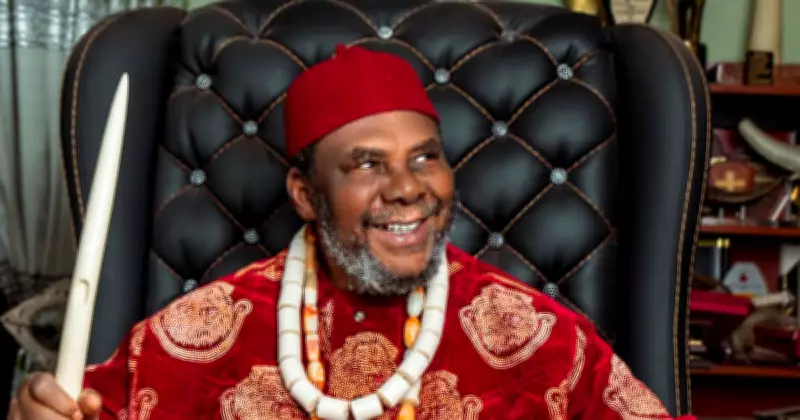
Veteran Actor Pete Edochie Laments Spending ₦40,000 Daily on Electricity
Nollywood legend Pete Edochie has publicly expressed his frustration over Nigeria's deteriorating power situation, revealing that he spends a staggering ₦40,000 daily to maintain electricity in his home. The 78-year-old actor made these revelations during a recent interview on AIT, shedding light on the severe economic burden faced by many Nigerians.
Breakdown of Daily Electricity Costs
Edochie provided a detailed breakdown of his daily power expenses:
- ₦10,000 for purchasing electricity units from the distribution company
- ₦20,000 for fueling his diesel generator
- ₦10,000 for operating his gasoline generator
This brings his total daily expenditure to ₦40,000, which accumulates to approximately ₦1.2 million monthly just to power his residence. The veteran actor emphasized how this financial strain affects him deeply, particularly when observing political figures who seem more interested in personal gain than addressing citizens' struggles.
Broader Concerns About National Leadership
"It disturbs me a big deal," Edochie stated. "Then I listen to people who are only interested in getting into politics and enjoying power. Nobody seems to be bothered about what's happening to the common man."
His comments reflect growing public discontent with Nigeria's leadership amid worsening economic conditions and infrastructure failures. The actor's situation exemplifies the challenges faced by ordinary Nigerians who must bear exorbitant costs for basic utilities.
Nationwide Power Crisis Intensifies
Edochie's revelations come amid a severe nationwide electricity crisis. Recent reports indicate that Nigeria's electricity generation has plummeted to 3,940.53 megawatts, forcing several power plants to shut down. The Nigerian Independent System Operator (NISO) attributes this decline to persistent gas supply shortages, with only 43% of required gas reaching thermal generating plants.
Consumers across all tariff bands are experiencing significant reductions in power supply. Even those in Band A, who are entitled to 22 hours of daily electricity, are reportedly receiving less than 5 hours. This has sparked widespread complaints on social media and led to protests in various states.
Public Protests and Political Reactions
The deteriorating power situation has triggered public demonstrations across Nigeria. In Osogbo, Osun State, youths protested at the Ibadan Electric Distribution Company (IEDC) office, while Edo State Governor Monday Okpebholo led a protest at the Benin Electricity Distribution Company. Interestingly, Governor Okpebholo controversially blamed former Anambra State governor and 2023 Labour Party presidential candidate Peter Obi for the poor power supply in his state.
Despite these developments, the Ministry of Power, led by Bayo Adelabu—a trained banker and former Central Bank Deputy Governor—has remained conspicuously silent on the crisis. This lack of official response has further fueled public frustration and calls for urgent government intervention.
Broader Implications for Nigerian Society
Edochie's situation highlights several critical issues facing Nigeria:
- Economic Burden: The exorbitant cost of alternative power sources places immense financial pressure on households and businesses.
- Infrastructure Failure: The persistent power crisis underscores systemic failures in Nigeria's energy sector.
- Leadership Accountability: There are growing concerns about political leaders' responsiveness to citizens' basic needs.
- Social Inequality: The crisis disproportionately affects ordinary Nigerians while political elites appear insulated from these challenges.
As Nigeria grapples with this multifaceted crisis, voices like Pete Edochie's serve as powerful reminders of the human cost of infrastructure failure and the urgent need for comprehensive solutions to the nation's power challenges.