Nigerian Woman Shares Insight on Controversial Marriage of Apostle Chibuzor's Son
A young Nigerian woman has publicly shared her personal analysis regarding the recent marriage between Aboy Chibuzor, the adopted son of prominent clergyman Apostle Chibuzor Gift Chinyere, and a mother of three children. The woman, identified as Ijeoma Chinonyerem, expressed strong conviction that financial motives did not drive the union, despite widespread speculation to the contrary.
Social Media Announcement Sparks Diverse Reactions
Apostle Chibuzor initially announced his son's marriage to Mrs. Blessing Chibuzor on March 29, 2026, through his social media platforms. While many celebrated the news, others questioned the circumstances surrounding the marriage, particularly given Aboy Chibuzor's autistic condition. This prompted Ijeoma Chinonyerem to offer her detailed perspective on the matter, challenging assumptions about the wife's intentions.
Financial Motives Firmly Rejected
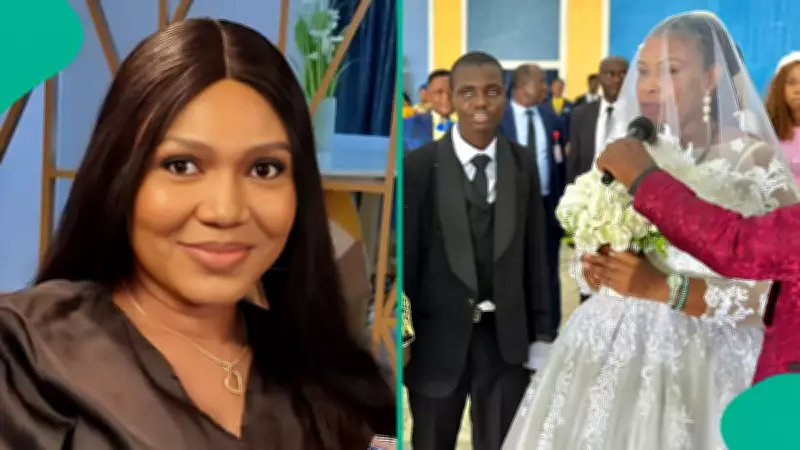
In her Facebook post, Chinonyerem explicitly stated: "I am 100% sure it is not because of money." She elaborated that Mrs. Blessing Chibuzor's appearance, speech, and overall demeanor indicate she is not poverty-stricken. The woman emphasized that while the bride may not be extremely wealthy, she appears comfortable and educated, with three grown children to her name.
Chinonyerem pointed to specific details to support her assessment: "Look at her complexion, her hair, her glasses, the hairstyle she wore on her wedding day, everything. Odi gi k'onye ubiam? She may not be richy-richy, but she is comfortable." This visual evidence, according to the commentator, contradicts theories that financial desperation motivated the marriage.
Religious Conviction Identified as Primary Factor
The Nigerian woman proposed that religious conviction served as the fundamental reason for the union. She referenced the wedding video where Mrs. Blessing Chibuzor reportedly stated that the Holy Spirit instructed her to marry the young man, describing it as a sacrifice comparable to Jesus Christ's sacrifice for the church.
Chinonyerem further noted that the widow had received other marriage proposals since her husband's passing but declined them all. This detail reinforced her argument that neither financial need nor lack of alternatives influenced the decision. Instead, she suggested the marriage represents a religious commitment made through spiritual guidance.
Online Debate Intensifies Over Marriage Analysis
The Facebook post generated significant engagement, with numerous users sharing contrasting viewpoints in the comments section. Adaeze Prisca remarked: "Once you decenter Religion and Men as a woman, just know you have been delivered from the shackles of patriarchy and patrichial princess."
Ledea Ntakiri added: "Seriously. If they decenter religion, decentering men becomes easier but well, people love their shackles." Meanwhile, Patience Peters Uche shared a skeptical perspective about religious justifications in marital decisions, citing a similar case involving another religious figure.
Other commenters expressed concern about the influence of religion on women's choices. Ebubechi Nnaji observed: "The hold religion has on women. It's really surprising to see especially when it does not even favour us all the time." Petra Ebere Kris expressed bewilderment about the practical aspects of the relationship, questioning whether the couple plans to have children together.
Broader Context of Marriage Controversy
This discussion occurs within a larger context of scrutiny surrounding the marriage. Previously, a Nigerian lawyer claimed the union might be legally invalid because church ceremonies alone do not constitute legal marriage without occurring in licensed places of worship. Additionally, another Nigerian woman questioned Apostle Chibuzor's role in arranging the marriage, suggesting he should focus on alternative support methods for his autistic son rather than facilitating matrimony.
The ongoing dialogue highlights complex intersections of disability, religion, marriage, and social expectations in contemporary Nigerian society. As opinions continue to circulate online, the conversation reveals deeper questions about autonomy, motivation, and the role of faith in personal decisions that attract public attention.