Ranking TV's Top 10 Ensemble Casts: Why They Define Television History
Television history is rich with memorable performances, but the most enduring and beloved shows often thrive on the power of ensemble casts. When multiple characters share the spotlight, series gain depth, complexity, and longevity that captivate audiences season after season. From classic network sitcoms to groundbreaking cable dramas, ensemble casts have been the backbone of many of television's longest-running and critically acclaimed series, demonstrating how strong character chemistry fuels both fan devotion and industry recognition.
10. Lost (2004–2010)
Lost followed the survivors of a plane crash stranded on a mysterious island, with a large ensemble including Matthew Fox, Evangeline Lilly, Josh Holloway, Jorge Garcia, Dominic Monaghan, Michael Emerson, and Henry Ian Cusick. Over six seasons, the show's innovative flashback structure allowed each character to receive dedicated narrative focus, enriching the overall storytelling and keeping viewers engaged with its expansive roster.
9. Modern Family (2009–2020)
Modern Family presented the interconnected lives of three families across eleven seasons, featuring a large ensemble with Ed O'Neill, Sofía Vergara, Julie Bowen, Ty Burrell, Eric Stonestreet, and Jesse Tyler Ferguson. This cast earned multiple Emmy Awards by weaving together multiple household storylines into a cohesive comedic format that highlighted familial dynamics and humor.
8. Parks and Recreation (2009–2015)
Centered on employees in the Parks Department of Pawnee, Indiana, Parks and Recreation was led by Amy Poehler and supported by Nick Offerman, Aubrey Plaza, Aziz Ansari, Chris Pratt, Adam Scott, and Rob Lowe. The show blended workplace comedy with character-driven storytelling, allowing each member of the ensemble to evolve and contribute to its heartwarming and humorous tone.
7. It's Always Sunny in Philadelphia (2005–Present)
It's Always Sunny in Philadelphia revolves around a group of friends running a bar in Philadelphia, with Charlie Day, Glenn Howerton, Kaitlin Olson, Rob McElhenney, and Danny DeVito forming the core ensemble. Their dynamic chemistry has been central to the show's long-running success, sustaining its comedic edge and loyal fanbase over many seasons.
6. Seinfeld (1989–1998)
Seinfeld chronicled the daily lives of four friends in New York City, with Jerry Seinfeld, Jason Alexander, Julia Louis-Dreyfus, and Michael Richards creating one of sitcom television's defining comedic ensembles. Across nine seasons, the quartet's equal narrative footing established a distinctive dynamic that became iconic for its observational humor and character interactions.
5. Mad Men (2007–2015)
Set in the Sterling Cooper advertising agency in 1960s New York, Mad Men featured Jon Hamm as Don Draper, supported by Elisabeth Moss, January Jones, and John Slattery. While Draper was the central figure, this ensemble drama explored themes of gender, ambition, and identity from multiple perspectives, making it a standout in television history for its depth and character development.
4. The Wire (2002–2008)
The Wire examined Baltimore's institutions through a rotating ensemble cast, including Dominic West, Wendell Pierce, John Doman, and Idris Elba. Known for its realism and structural complexity, the series shifted focus away from a single protagonist to offer a broader institutional perspective, enhancing its layered storytelling and critical acclaim.
3. Game of Thrones (2011–2019)
Based on George R. R. Martin's novels, HBO's Game of Thrones featured noble families battling for power in Westeros, with stars like Emilia Clarke, Kit Harington, Lena Headey, and Peter Dinklage. Its large-scale ensemble and rotating character focus became a defining feature, earning numerous Primetime Emmy Awards and captivating audiences with its ambitious production and serialized structure.
2. The Office (U.S.) (2005–2013)
The American adaptation of The Office transformed a paper company in Scranton, Pennsylvania, into a character-driven workplace comedy. Steve Carell's Michael Scott anchored the series, with John Krasinski, Rainn Wilson, and Jenna Fischer providing strong support. The evolving ensemble allowed supporting characters to become central to its long-term storytelling, contributing to its enduring popularity.
1. Friends (1994–2004)
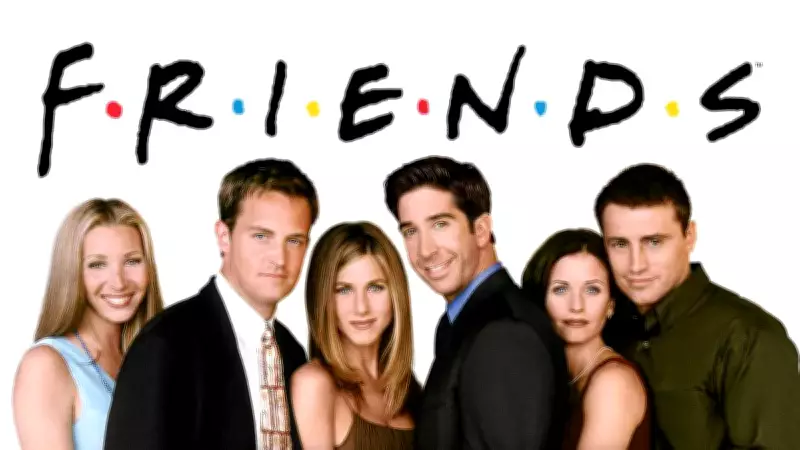
Friends followed six New Yorkers navigating life and relationships, with Jennifer Aniston, Courteney Cox, Lisa Kudrow, Matt LeBlanc, Matthew Perry, and David Schwimmer sharing equal narrative weight across ten seasons. Winning multiple Primetime Emmy Awards, this iconic ensemble comedy is frequently praised for the strength and balance of its six-person cast, which has left a lasting cultural impact.
Together, these series illustrate how ensemble casts shape storytelling, deepen character development, and contribute to lasting cultural resonance in television. By fostering chemistry and shared narrative focus, they ensure that shows remain engaging and memorable for years to come.