The United Nations has issued a stark warning that the unsafe transport of Ebola victims' bodies is significantly fueling the ongoing outbreak in the Democratic Republic of Congo. According to the UN, traditional burial practices and the movement of deceased individuals across borders are contributing to the rapid spread of the deadly virus.
New Cases Linked to Body Transport
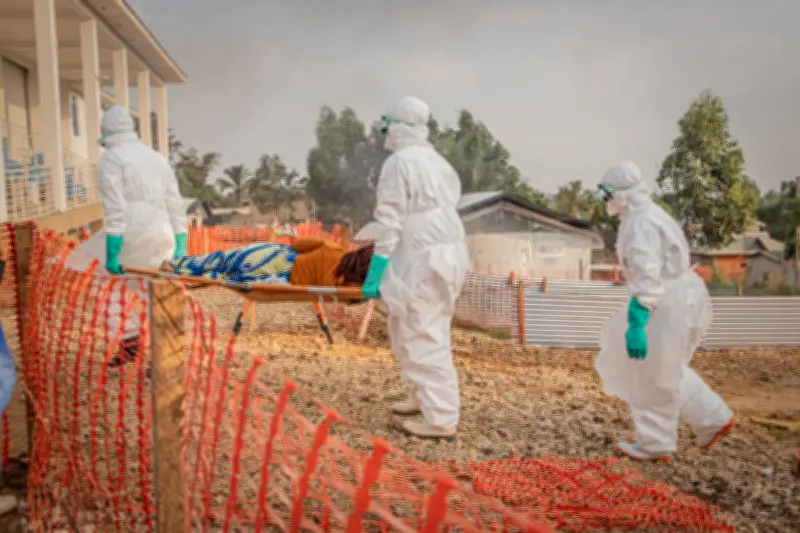
The World Health Organization reported that a significant number of new Ebola cases are directly linked to the transportation of bodies from affected areas. In many instances, families and communities are moving the remains of loved ones to their home villages for burial, inadvertently spreading the virus to new locations. The UN agency emphasized that Ebola remains highly contagious even after death, and contact with the body of an infected person poses a high risk of transmission.
Unsafe Burial Practices
Traditional burial ceremonies often involve close contact with the deceased, including washing and touching the body. These practices, combined with the lack of proper protective equipment and safe burial protocols, have created a perfect storm for the virus to thrive. The UN has called for urgent community engagement to promote safe and dignified burials while respecting cultural sensitivities.
Regional Spread Concerns
The outbreak, which began in North Kivu province, has now spread to neighboring provinces and even crossed into Uganda. The UN warned that without immediate intervention, the virus could continue to spread across borders. Health authorities are struggling to contain the outbreak due to security challenges and community mistrust.
As of the latest report, over 2,000 confirmed cases and 1,400 deaths have been recorded, making it the second deadliest Ebola outbreak in history. The UN has appealed for increased funding and resources to combat the epidemic.