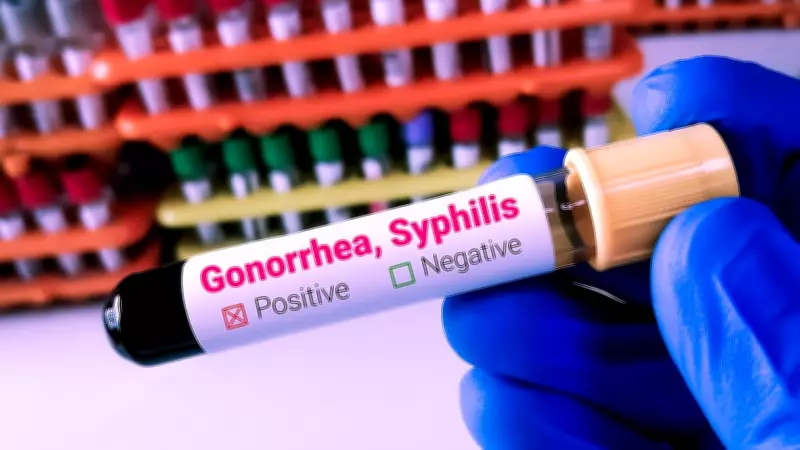
Gonorrhoea and syphilis have reached record levels across Europe, according to health officials who warn that rising infection rates and gaps in prevention could lead to serious long-term health complications. The European Centre for Disease Prevention and Control (ECDC) reported that gonorrhoea cases surged to 106,331, marking a 33 percent increase since 2015 and the highest figure recorded in more than a decade. Syphilis infections have also more than doubled over the same period, reaching 45,557 confirmed cases.
Shortcomings in Testing and Prevention
Health officials attribute the rise to shortcomings in testing, awareness, and prevention measures for sexually transmitted infections across Europe. Bruno Ciancio, a senior ECDC official, warned that these infections could have severe long-term consequences if left untreated. “These infections can cause severe complications, such as chronic pain and infertility and, in the case of syphilis, problems with the heart or nervous system,” Ciancio said. “In cases where infections pass directly to newborns, it can lead to potentially lifelong complications.”
Spain Leads in Infection Numbers
Spain recorded the highest number of infections in Europe, with 37,169 gonorrhoea cases and 11,556 syphilis cases. Health authorities are urging sexually active individuals to continue using condoms with new or multiple partners and to seek testing if they notice symptoms or believe they may have been exposed.
UK Introduces Gonorrhoea Vaccine
Last year, the United Kingdom became the first country in the world to introduce a vaccine programme for gonorrhoea. Clinical trials showed the vaccine reduced the risk of infection by more than 50 percent, with experts describing the rollout as a major breakthrough in sexual health.
Symptoms and Transmission
Doctors explain that gonorrhoea symptoms can appear around two weeks after infection, although some people may carry the infection for months without any signs. In women, symptoms can include yellow or green discharge, pain while urinating, abdominal pain, and bleeding between periods. In men, symptoms may include discharge from the penis, burning during urination, and pain in the testicles. The infection is spread through unprotected sex, including oral sex, and can affect the genitals, mouth, and eyes.
Syphilis, another bacterial sexually transmitted infection, is usually spread through vaginal, anal, or oral sex or through contact with infected sores. According to the National Health Service, untreated syphilis can spread to the brain and other organs, potentially causing serious long-term damage.
Risks During Pregnancy
Health experts also warned that syphilis infections during pregnancy can lead to miscarriage, stillbirth, or infection being passed to newborn babies. Data cited in the report showed some of the highest gonorrhoea infection rates in England were recorded in Westminster, Islington, Liverpool, Nottingham, and Manchester.