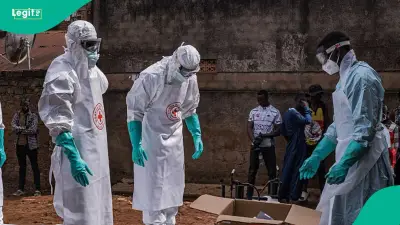
The Oyo State Government has confirmed five cases of Lassa fever, including one fatality, and assured residents that rapid response measures are in place to curb the spread and safeguard public health.
Government Response and Coordination
During a press briefing, the Commissioner for Health, Dr. Oluwaserimi Ajetunmobi, stated that the confirmed patients are receiving treatment at designated isolation and treatment centers, such as the State Infectious Disease Centre (IDC) in Olodo and the isolation unit at University College Hospital (UCH). Specialized clinical care and containment protocols are being implemented.
The government promptly activated its emergency response framework, initiating a coordinated multi-sectoral intervention aligned with national guidelines from the Nigeria Centre for Disease Control and Prevention (NCDC) and global standards from the World Health Organization (WHO). Dr. Ajetunmobi praised Governor Seyi Makinde for his decisive leadership and commitment to residents' health, noting that his timely approval and release of emergency funds enabled rapid operationalization of the response structure.
Key Interventions Implemented
Dr. Ajetunmobi outlined several interventions already underway, including the activation of the Incident Management System (IMS) and Emergency Operations Centre (EOC), and the establishment of a multi-sectoral response team involving Health, Environment, Agriculture, and Information sectors. A comprehensive Incident Action Plan has been developed and is being executed.
Enhanced surveillance measures include active case search and monitoring of over 200 identified contacts. The Surveillance Outbreak Response Management and Analysis System (SORMAS) has been deployed for real-time data management. Isolation centers are operational, and essential commodities like Ribavirin have been prepositioned.
Infection Prevention and Control (IPC) measures have been strengthened, including the provision and proper use of personal protective equipment (PPE). Safe and dignified burial protocols are being implemented in collaboration with environmental health authorities.
Environmental sanitation, fumigation, and decontamination of affected areas are ongoing. Continuous capacity building and sensitization of healthcare workers are being conducted, along with sustained public risk communication through mass media, information materials, and community engagement.
Laboratory Coordination and Collaborations
The Commissioner emphasized strengthened laboratory coordination with the UCH Biorepository Clinical Virology Laboratory to support timely diagnosis and response. She acknowledged the strong intersectoral collaboration that has made the response effective, appreciating UCH Ibadan for its critical role in case management, laboratory diagnosis, and clinical support.
She also commended the Ministries of Environment, Agriculture, and Information, as well as development partners, for their technical and logistical support. The Nigeria Centre for Disease Control and Prevention (NCDC) was appreciated for its technical leadership and coordination.