The World Health Organization has raised a fresh alarm over the rapid spread of a deadly Ebola outbreak in Central Africa, warning that the virus may be spreading faster than health officials initially believed. WHO Director-General Tedros Adhanom Ghebreyesus expressed deep concern over the speed and scale of the outbreak as cases continue to rise across affected communities.
Outbreak Details and Fatalities
According to health authorities, the outbreak, linked to the Bundibugyo strain of Ebola, has already claimed more than 130 lives, with hundreds of suspected infections reported in parts of the Democratic Republic of the Congo and neighboring Uganda. WHO warned that the actual number of infections could be significantly higher due to underreporting and delays in identifying cases.
Urban Spread and Healthcare Worker Infections
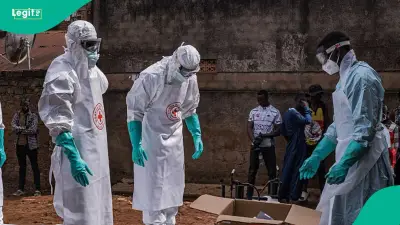
Officials are particularly worried because some infections have now been detected in densely populated urban areas, increasing fears of wider transmission if urgent containment measures are not strengthened. Healthcare workers have also reportedly been infected during the outbreak, adding pressure to already stretched medical systems in affected regions.
Challenges and Emergency Declaration
The situation is further complicated by ongoing insecurity and conflict in parts of Central Africa, making contact tracing, surveillance, and emergency response operations more difficult for health teams on the ground. In response to the growing crisis, WHO has officially classified the outbreak as a Public Health Emergency of International Concern, the organization's highest level of global health alert.
International Response and Ebola Facts
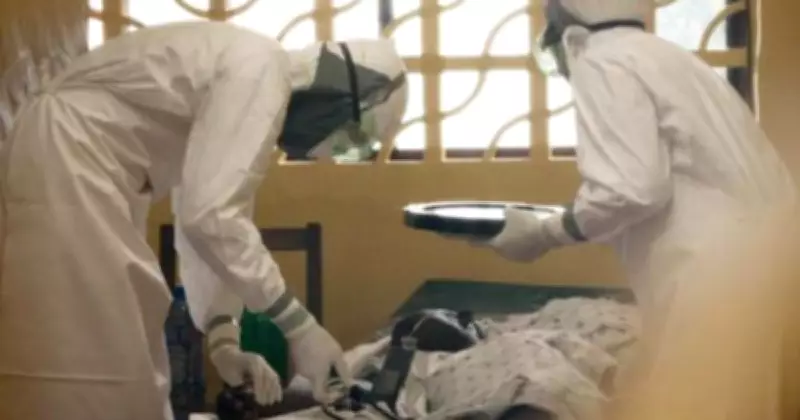
The declaration is expected to trigger stronger international coordination, emergency funding, and increased medical support to affected countries in an effort to contain the spread before it escalates further. Ebola is a highly dangerous viral disease that spreads through direct contact with bodily fluids of infected persons or contaminated materials. Symptoms often include fever, weakness, vomiting, diarrhea, and internal bleeding in severe cases. Previous Ebola outbreaks in Africa have caused thousands of deaths, with the 2014–2016 West Africa outbreak remaining one of the deadliest in history.
Critical Measures for Containment
Rapid testing, isolation of infected patients, public awareness, and cross-border cooperation will be critical in preventing the current outbreak from spiraling into a wider continental health crisis. Authorities are urging residents in affected regions to immediately report symptoms and follow health guidelines as emergency response efforts continue.