Two prominent Nigerian civil society organizations have issued a strong appeal to federal and state governments, demanding a significant boost in health sector funding and immediate action to tackle the severe shortage of medical professionals. The Civil Society Legislative Advocacy Centre (CISLAC) and the Vaccine Network for Disease Control (VNDC) made the call in their separate reviews of the country's health sector performance in 2025.
Systemic Funding and Workforce Crises Undermine Healthcare
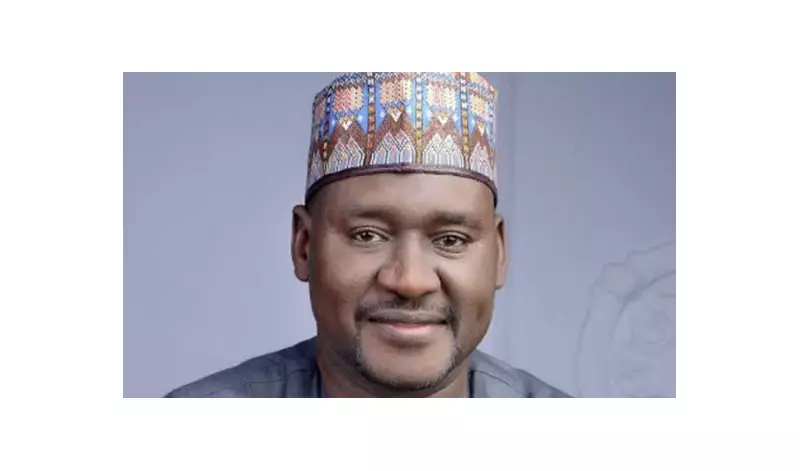
The Executive Director of CISLAC, Auwal Rafsanjani, stated that Nigeria's health system is at a critical juncture. He acknowledged some progress, such as modest improvements in health insurance and primary care revitalization. However, he emphasized that deep-rooted problems continue to block Nigerians' access to quality, affordable healthcare.
Rafsanjani highlighted that annual health budgets consistently fail to meet the Abuja Declaration target of allocating at least 15% of the national budget to health. He noted that inflation, the naira's depreciation, and rising costs further reduce the value of the funds that are available. He also lamented the worsening brain drain, frequent strikes by health workers, poor working conditions, and severe understaffing in public facilities, which leave millions, especially in rural areas, without adequate care.
"To curb the massive loss of skilled personnel, we must have improved pay, better working environments, and clear career paths," Rafsanjani urged. He also criticized the heavy reliance on out-of-pocket payments for health, which pushes families into poverty and works against the goal of universal health coverage (UHC).
Progress in 2025 and Persistent Gaps
In his appraisal, Rafsanjani pointed to some positive developments in the past year. He cited the Health Minister's "Red Letter," which outlined the severity of Nigeria's health challenges. He also noted a major budgetary win: the Federal Government allocated N170.01 billion for nutrition interventions in 2025. This represents a massive 746% increase from the N6.5 billion allocated in 2023.
Other achievements included better enrollment in some states due to the National Health Insurance Authority (NHIA) Act and disbursements from the Basic Health Care Provision Fund (BHCPF) supporting primary health centers. Rafsanjani also commended renewed focus on primary healthcare, investments in digital health tools, and stronger scrutiny of health budgets by civil society and the media.
Despite these steps, major disparities remain. Rafsanjani pointed to the wide gap in health outcomes between urban and rural areas, particularly in maternal and child health. He acknowledged the launch of the Maternal Mortality Reduction Innovation and Initiatives (MAMII) project but stressed that maternal mortality is still a grave concern.
Vaccine Funding Shortfall and the Path Forward for 2026
Chika Offor, Chief Executive Officer of VNDC, focused on immunization challenges. She described the 2025 integrated vaccination campaign targeting over 106 million children as highly ambitious. However, she revealed a critical funding gap: although N231 billion was budgeted for immunization in 2025, only N68 billion was released as of November.
"This shows that even though immunization was in the budget, there was no dedicated, ring-fenced funding for vaccines," Offor explained. She said vaccine financing is currently drawn from a general pool where it competes with other government needs. She called on the government to place vaccine financing on a first-line charge and to fully release outstanding funds from 2024 and 2025.
Looking ahead to 2026, both organizations are calling for decisive action. CISLAC advocates for stronger governance, transparency, and accountability in health spending, urging the use of open contracting to prevent leaks. Rafsanjani also stressed the need to fully enforce mandatory health insurance across all states, with special protections for the poor and those in the informal sector. The consensus is that without bold reforms and sustained political will, Nigeria's health system will continue to struggle to meet the needs of its population.