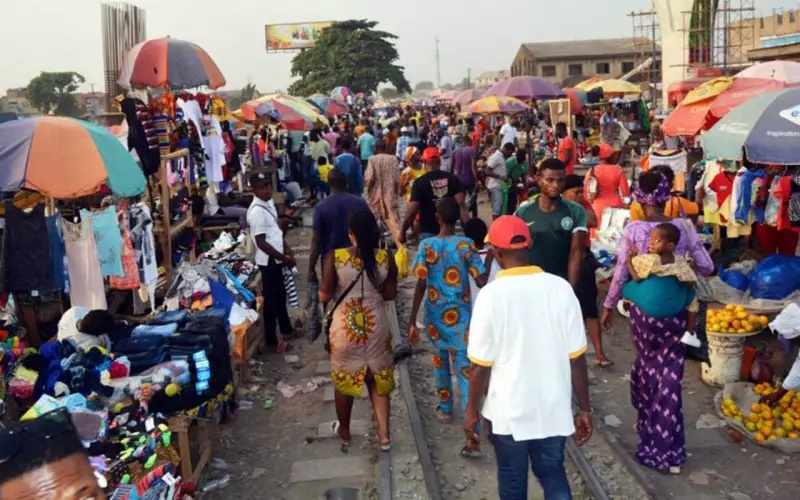
As Nigeria moves into 2026, the daily struggles of its citizens are compounded by deep-seated systemic failures, testing the nation's collective patience to its limits. A critical examination reveals severe neglect in fundamental sectors, with healthcare and education bearing the brunt of this institutional breakdown.
The Crumbling Pillars: Healthcare and Education
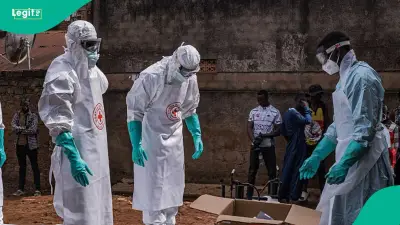
The state of Nigeria's healthcare infrastructure paints a grim picture. The country continues to fall drastically short of its commitment under the Abuja Declaration, which pledged to allocate at least 15 per cent of the annual budget to health. In reality, budgetary allocations remain a fraction of this promise.
This chronic underfunding has left primary healthcare centres across the nation in a dire state: they are dilapidated, critically understaffed, and lack essential equipment. The doctor-to-population ratio is alarming, with fewer than 35,000 doctors attempting to serve a population exceeding 200 million people.
Educational facilities suffer a parallel fate. Countless children are deprived of safe learning environments and access to quality education, as schools remain under-resourced and neglected. This dual crisis in health and education threatens the nation's human capital development and future prosperity.
The Amplifying Toll of Insecurity
Pre-existing pressures are magnified by pervasive security challenges. Terrorism, banditry, kidnapping, and communal violence affect millions of Nigerians annually, creating a landscape of fear and displacement.
In the north-central and northwestern states, the situation is particularly severe, with thousands killed or abducted each year. Entire communities have been forced to flee, businesses have been looted, and farmers are prevented from accessing their fields, exacerbating food insecurity.
Within a context of fragile rule of law and overstretched security agencies, ordinary citizens bear a double burden: the daily anxiety of physical survival on top of mounting economic worries. This has fostered a pervasive culture of fear and uncertainty that erodes public confidence and amplifies mental stress nationwide.
Pathways to Resilience and Forward Motion
In the face of these adversities, faith and resilience emerge as crucial counterforces for many Nigerians. As noted by policy expert Prof. Chiwuike Uba, faith does not deny hardship but refuses to let fear dominate. It represents a practical focus on actionable steps rather than worry over uncontrollable outcomes.
Transisting chronic worry into growth requires intentional strategy. This involves clearly defining challenges like inflation or healthcare costs, directing energy toward skill development, and engaging in community networks and micro-enterprises. Letting go of what cannot be controlled preserves vital energy.
Mindful practices such as limited news exposure, journaling, and celebrating small victories help reset perspective and reinforce resilience. Breaking down large, systemic problems into manageable personal or community actions can convert anxiety into structured, purposeful progress.
Despite the pervasive hardship, Nigeria's narrative is not one of pure despair. The nation remains a powerhouse of youth, innovation, and enterprise. Macro-economic indicators point to modest growth, driven increasingly by non-oil sectors like services and agriculture.
Strategic reforms, targeted investments, and community-based initiatives offer viable pathways for greater economic inclusion and improved wellbeing. Nigerians are already demonstrating an incredible capacity to transform constraints into opportunities through tech innovation, creative industries, and grassroots entrepreneurship.
Ultimately, as Prof. Uba concludes, peace is not the absence of problems but the discipline of preventing them from ruling the soul. As 2026 unfolds, the call is for hope, courage, and deliberate action to lead the way. Life may seldom be perfect, but minds and hearts that refuse to bow to fear can cultivate joy, purpose, and peace, even amidst profound uncertainty.