The Anissa Sickle Cell Foundation (ASCF) has issued a stark warning about the prohibitive costs of managing and curing sickle cell disease in Nigeria. The foundation stressed that financial barriers are denying countless citizens access to essential, life-saving treatments and routine care.
The Staggering Financial Burden of Daily Management
Managing sickle cell disease is a continuous financial drain for most Nigerian families, according to ASCF founder and Executive Director, Anisa Ishaq-Balogun. A typical patient, or 'warrior', spends tens of thousands of naira every month just on medications.
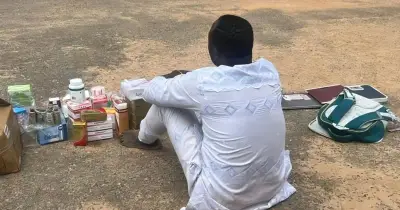
Essential drugs include Hydroxyurea at about N7,000 per pack, folic acid (N2,000), vitamin C (N3,000), malaria prophylaxis like proguanil (N1,000), and pain relievers such as cocodamol costing N2,500 per sachet. Monthly consultations with haematologists range from N10,000 in public hospitals to N30,000 privately.
Routine lab tests like full blood counts add another N5,000 to N20,000 to the monthly bill. However, the most devastating costs arise during painful crises.
Crisis Care and Curative Treatment: Costs Skyrocket
During a severe sickle cell crisis, hospital admission in a government facility can cost between N50,000 and N100,000 per week for bed space alone. When medications, blood transfusions, oxygen, and infusions are included, the total for one episode can balloon to N200,000 or N250,000.
In private hospitals, the situation is even more dire, with daily admission fees of N60,000 to N80,000. Managing a single crisis privately can escalate to N500,000 or a staggering N1 million.
On the possibility of a cure, Ishaq-Balogun confirmed that bone marrow transplant is available in Nigeria, primarily in Lagos, but remains a distant dream for most. The procedure carries an estimated price tag of N80 million to N85 million, not including donor testing and other associated expenses. The process is complex, involves significant risks like graft-versus-host disease, and is not guaranteed to succeed.
A Nation's Health Crisis and a Path Forward
Nigeria bears the world's highest burden of sickle cell disease, with over 40 million carriers and about 150,000 babies born with the condition each year. Tragically, approximately 100,000 of these children die before their fifth birthday due to inadequate care.
To combat this, the ASCF is executing its Sickle Cell Smart Project, taking awareness campaigns into schools in Lagos State. The project has reached Apapa, Lagos Mainland, and Shomolu, educating 371 students and helping 268 determine their genotype. Two teenagers were identified as living with the disease, highlighting the need for early screening.
Ishaq-Balogun emphasized the dual scourge of stigma and mental health challenges, noting that misconceptions label patients as lazy, leading to discrimination and depression. She called for decisive policy actions:
- Nationwide newborn screening for early diagnosis and data collection.
- Full integration of sickle cell disease into the National Health Insurance Scheme (NHIS) to provide subsidized or free medications and care.
"If the government ensures affordable healthcare coverage, it will prevent avoidable complications, reduce the long-term cost of care, and improve the quality of life for millions," she asserted. The founder, who lives with the condition herself, appealed for collective action from government, private sector, and civil society to make care accessible and affordable for all Nigerian warriors.