Health sector leaders in Lagos State have issued a strong call for immediate and coordinated efforts to revitalise Primary Healthcare Centres (PHCs), identifying them as the essential foundation for achieving universal health coverage across Nigeria.
Dialogue Reveals Critical Gaps in Infrastructure and Human Resources
The urgent appeal was made during a leadership dialogue organised by the Lagos State Primary Health Care Board (LSPHCB) in partnership with Nigeria Health Watch, EngenderHealth, and the IMPACT Project. The meeting, titled “Strengthening PHC Systems: A Joint Leadership Dialogue,” gathered key policymakers, local government chairpersons, and development partners on January 15, 2026, to address systemic challenges and plan reforms.
Addressing attendees, Lagos State Commissioner for Health, Prof. Akin Abayomi, outlined two primary goals: implementing mandatory health insurance in Lagos and establishing the state as a top medical tourism hub within Nigeria. He highlighted alarming statistics directly under local government control, including hospital bed availability, insurance coverage, and maternal mortality rates.
Prof. Abayomi revealed that Lagos currently has only about 50 hospital beds per 100,000 people, a figure far below target levels. He stressed that all government tiers must aim to allocate a minimum of 15 per cent of their budgets to health.
Massive PHC Shortfall and Doctor Exodus Crippling System
The Commissioner painted a stark picture of the primary care crisis. With an estimated population of 30 million, Lagos should have one PHC for every 10,000 residents according to WHO standards. However, the state currently faces the largest PHC-to-population deficit in Nigeria and would need to construct at least 2,000 additional centres to bridge the gap. Audits show that half of the existing PHCs require major infrastructure upgrades.
This weak primary care system forces about 60 per cent of Lagos residents to seek treatment from private or informal providers, often with risky outcomes. The human resource crisis is equally severe. While Nigeria needs about 300,000 doctors, it has only around 40,000. Lagos alone requires approximately 33,000 doctors but currently has just 7,000, a shortage exacerbated by poor working conditions and emigration.
To tackle this, Prof. Abayomi disclosed that the state has passed a law to establish a standalone University of Medicine and Health Sciences to boost the training of medical professionals.
Local Governments Hold Key to PHC Revival
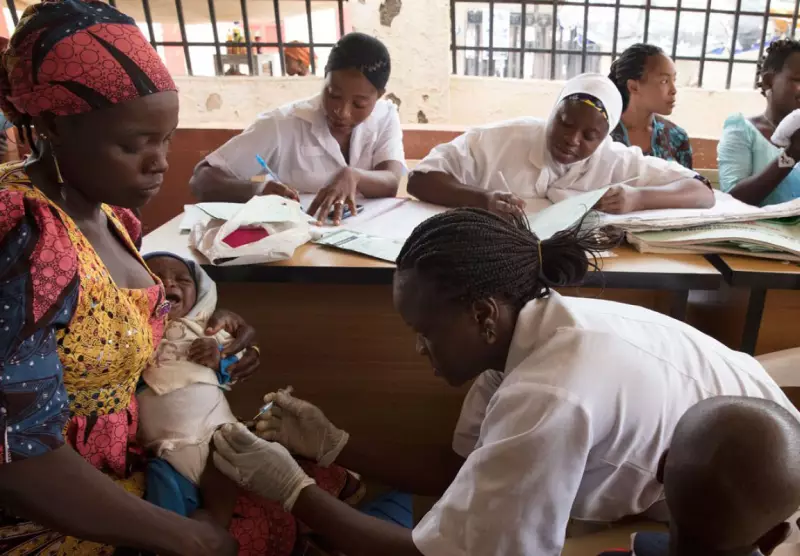
Earlier, the Director of Medical Services at LSPHCB, Dr Veronica Iwayemi, emphasised that for many citizens, PHCs are the sole entry point to the health system, especially for maternal care, immunisation, and prevention. She urged local government leaders to embrace shared responsibility to equip PHCs and reach the last mile.
The Permanent Secretary of the LSPHCB, Dr Ibrahim Mustafa, acknowledged some local government efforts in building and renovating facilities but warned that infrastructure alone is not enough. He listed essential requirements for effective PHCs:
- Good governance and continuous service delivery
- Adequate staffing and secure financing
- Reliable water and power supply
- Supportive working environments
He called on local government leaders to empower health authorities, prioritise PHC budgets, and engage communities for better accountability.
The Commissioner for Local Government, Bolaji Robert, described PHC as the health system's bedrock and underscored the central role of local governments in planning, funding, and staffing these centres. He highlighted the importance of community participation and collaboration with traditional institutions.
In her remarks, the Special Adviser on Health to the Governor, Dr Kemi Ogunyemi, stated that strengthening PHC is central to the THEMES Plus Agenda's goal of universal health coverage. She charged local government chairmen to show strong political ownership, ensure effective use of the Basic Health Care Provision Fund, and deepen collaborations.
The dialogue concluded with a shared confidence that the discussions would lead to concrete actions, building a more resilient and people-centred primary healthcare system across Lagos State.