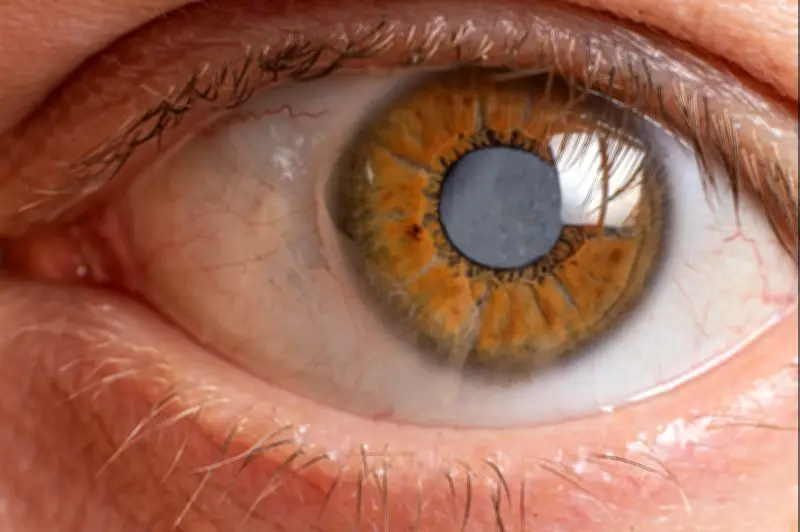
Eye specialists have raised concerns that cataracts, commonly associated with aging, can also affect children, sometimes from birth, and delayed diagnosis may lead to permanent vision loss. A cataract occurs when the eye's natural lens becomes cloudy, preventing light from passing properly and resulting in blurred vision. While more common in older adults, experts emphasize that babies and children are also susceptible.
Childhood Cataract Prevalence and Impact
Studies show that childhood cataract accounts for 7.4 to 15.3 percent of global childhood blindness. In developing countries like Nigeria, delayed diagnosis and treatment remain major challenges. Many children are brought to hospitals after the critical stage of visual development, increasing the risk of irreversible blindness even after treatment. According to a World Health Organisation report on pediatric eye care in Nigeria, childhood blindness constitutes five to 10 percent of the country's blindness burden, with nearly 70 percent of cases preventable or treatable if detected early.
Causes Beyond Aging
Samuel Osayamen, a senior ophthalmologist, explained that childhood cataracts may be congenital (present at birth) or acquired due to injuries, medications, infections, or underlying medical conditions. Infections during pregnancy, such as rubella, chickenpox, hepatitis, and cytomegalovirus, can affect unborn babies and increase the risk of congenital cataracts. Genetics also play a significant role; certain genetic mutations and inherited conditions can cause lens changes. Maternal use of medications like tetracycline, diabetes during pregnancy, birth injuries, trauma, and inflammatory conditions may contribute to cataract development. Traumatic cataracts are becoming more common due to domestic accidents and unsafe play.
Signs Parents Should Watch For
Mr. Osayamen expressed concern about excessive screen exposure among toddlers and young children, warning that prolonged use of tablets and mobile phones may contribute to vision problems and developmental challenges. He advised parents to prioritize regular eye examinations, ensure proper nutrition, and seek medical attention promptly when unusual vision changes are noticed. Warning signs include moving unusually close to television screens, difficulty following light or objects, poor eye contact, a whitish appearance in the eye, or difficulty recognizing objects. Unlike adults, children often adapt quietly to poor vision, making early detection more difficult.
Risk of Permanent Damage
Untreated cataracts can permanently affect the connection between the eyes and the brain during development. Complications include amblyopia (lazy eye), where the eye becomes used to not seeing clearly and cannot be reversed later. Strabismus (squint) may develop as the brain ignores the weaker eye, and nystagmus (dancing eyes) can occur. On the use of glasses at an early age, Mr. Osayamen noted that many children wear them for refractive errors like short-sightedness or long-sightedness, which may be hereditary. Glasses help children see clearly and support proper eye development, but they do not remove the underlying condition.