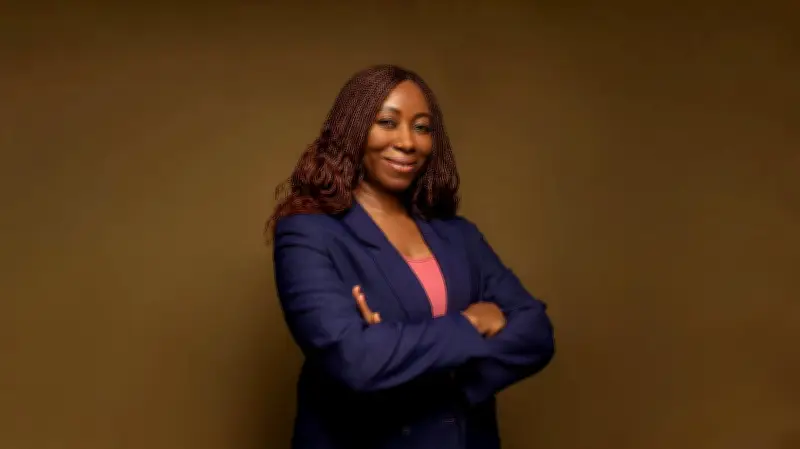
Dr. Olufolakemi Cole-Adeife is a Consultant Physician, Dermatologist, and Venereologist at the Lagos State University Teaching Hospital (LASUTH) and a Lecturer at the Lagos State University College of Medicine. She is a member of the West African College of Physicians and a Fellow of the National Postgraduate Medical College of Nigeria in Internal Medicine and Dermatology. Additionally, she holds a Diploma in Tropical Medicine and Hygiene from the London School of Hygiene and Tropical Medicine and a Master of Public Health and Health Promotion from Brunel University London. As a clinical researcher, her interests span albinism, skin neglected tropical diseases, pigmentary disorders, inflammatory dermatoses, and climate-related skin health challenges. In this interview, she shares her journey into dermatology and other issues.
What inspired you to work in this area?
First, I was inspired to become a dermatologist by my dear mother of blessed memory, who was a world-renowned dermatologist and clinical researcher. Growing up, I witnessed the impact she had on individual patients and communities, as well as the respect she earned for her work. I was also motivated by my own experiences with sensitive skin as a child and moderate to severe acne as a teenager. Those personal experiences sparked my interest in skin conditions and a desire to help others facing such challenges.
What has your experience been like as a dermatologist?
My experience as a dermatologist has been exciting, rewarding, and deeply fulfilling. I have had the privilege of seeing people’s lives positively impacted in clinics and communities through skin health advocacy, outreach, education, and public skin health initiatives. At the same time, it is sometimes challenging, particularly in resource-limited settings where access to specialist care is limited and investigations and treatments are largely paid for out of pocket. These challenges have strengthened my commitment to improving skin health and expanding access to dermatological care.
What was the biggest “no” you heard in your career, and what did you learn from it?
One of the biggest setbacks I experienced was not being accepted into the Tropical Medicine and International Health MSc programme at the London School of Hygiene and Tropical Medicine in 2018 while I was a dermatology resident. Five years later, however, I was admitted to the Diploma in Tropical Medicine and Hygiene course at the same institution on a full scholarship. Looking back, I learned that sometimes “no” simply means “not yet.” Timing matters, and the delay allowed many opportunities and experiences to align in ways they otherwise would not have.
What do you wish more people understood about what you do?
I wish more people understood that dermatology is a highly specialised medical field that extends far beyond skincare products and cosmetics. Dermatology encompasses medical, surgical, cosmetic, and public health aspects of skin, hair, and nail health. Many people do not realise that dermatologists are medical doctors who undergo years of additional specialist training after medical school—often six years of medical school and another six years of specialist training. Unfortunately, some individuals complete short aesthetic courses and claim to be dermatologists. This cannot be further from the truth. Dermatology is as highly specialised as cardiology, nephrology, or endocrinology because the skin is the largest organ in the body and often reflects broader health conditions.
If you could give one piece of advice concerning skin to women, what would it be?
Love the skin you are in and take good care of it. In a world where many people are trying to change their skin colour using skin lightening products (for dark-skinned people) or skin tanning methods (for fair-skinned people), it is important to remember that beauty comes in every skin colour. All skin tones are beautiful. Every shade and colour is unique and should be nurtured, protected, and celebrated, rather than altered to fit societal expectations. Also, when it comes to skincare, less is often more.
What steps should women and young girls take to maintain radiant skin?
Radiant skin starts with your diet and lifestyle. A balanced diet rich in fruits, vegetables, healthy fats, and adequate water intake provides the foundation for healthy skin. Limiting excess sugar, salt, and highly processed foods is also beneficial. When it comes to skincare, simplicity is key. Focus on three essentials: cleanse gently, moisturise daily, and consistently protect your skin from excessive sun exposure by using sunscreen and other sun-protection methods. Additional steps such as topical antioxidants and gentle exfoliation two to three times a week can be helpful when appropriate, but they should complement and not replace the basics.
Who are your female role models in the dermatology field?
My beloved mother, of blessed memory, Dr Frances Funmilayo Ajose, was my first and most influential role model. She was an accomplished dermatologist, clinical researcher, educator, and mentor whose impact extended across the globe. I am also blessed to learn from several exceptional female dermatology leaders, including Prof Adebola Ogunbiyi from Nigeria, Prof Ncoza Dlova from South Africa, Prof Fatimata Ly from Senegal, Dr Claire Fuller from the United Kingdom, and Dr Esther Freeman and Dr Kari Wanat from the United States. They are trailblazers and changemakers in dermatology, championing inclusion, diversity, and equity while investing in mentoring and nurturing future generations of dermatologists.
What has been the best piece of advice you have received, and what advice would you offer to those following in your footsteps?
One of the best pieces of advice I received was not to see the sky as the limit, but to aim for the stars. We should not allow present circumstances to define future possibilities. My advice to those following a similar path is to dream big, pursue ideas that can benefit humanity, and remain persistent even when opportunities do not come immediately. I would also encourage people not to place unnecessary limits on themselves. Some individuals are gifted in more than one area, and God has given them the capacity to excel in multiple fields when they pursue them with purpose, discipline, and commitment.
What important change would you like to see in dermatology?
I would like to see skin health and dermatology receive greater recognition in global health policy, research, planning, and funding. The skin is the body’s largest and most visible organ, yet skin diseases are often overlooked despite their profound effects on quality of life, mental and social health, and overall productivity. I would also like to see a substantial increase in the number of dermatologists across Nigeria and Africa. Many countries in Sub-Saharan Africa have fewer than three dermatologists per million people, creating significant barriers to specialist care. Much more investment in dermatology training, capacity building, and healthcare infrastructure is essential to ensure that everyone has access to quality skin healthcare.