The Federal Government is deploying innovative tools to combat the high malaria burden in Nigeria, including next-generation dual-active ingredient insecticide-treated nets (ITNs) and pioneering Larval Source Management (LSM), alongside malaria vaccines and chemoprevention tools. This was disclosed by the Minister of Health and Social Welfare, Prof. Muhammad Ali Pate, during a briefing at the “Science of Defeating Malaria” leadership development course, hosted by the Federal Ministry of Health and Social Welfare and the National Malaria Elimination Programme (NMEP), in partnership with the Institute of Genomics and Global Health.
Progress in Malaria Reduction
Pate noted significant progress, with malaria prevalence dropping from 42 percent in 2010 to 15 percent in 2025. This decline is attributed to President Bola Tinubu’s Health Sector Renewal plan, which focuses on expanding primary healthcare, deepening health insurance coverage, training frontline workers, and boosting local manufacturing of pharmaceutical products and medical devices to reduce import dependence.
“We are training human resources for health, improving local manufacturing of test kits, pharmaceuticals, and bed nets. A major manufacturer of bed nets has broken ground, and another major test kit manufacturer is breaking ground in Nigeria. Over the last three years, we have seen improvements as part of the Health Sector Renewal Investment Initiative. The malaria indicator survey clearly shows data-backed progress. Nigeria is making progress,” Pate stated.
State-Level Success
Some states, such as Lagos, have reached the pre-elimination stage due to effective case management, testing, and treatment of fever cases. “Whenever someone has a fever, they test for malaria before treatment. These new approaches are working, proving that things can improve in Nigeria,” Pate added.
Malaria Vaccine Integration
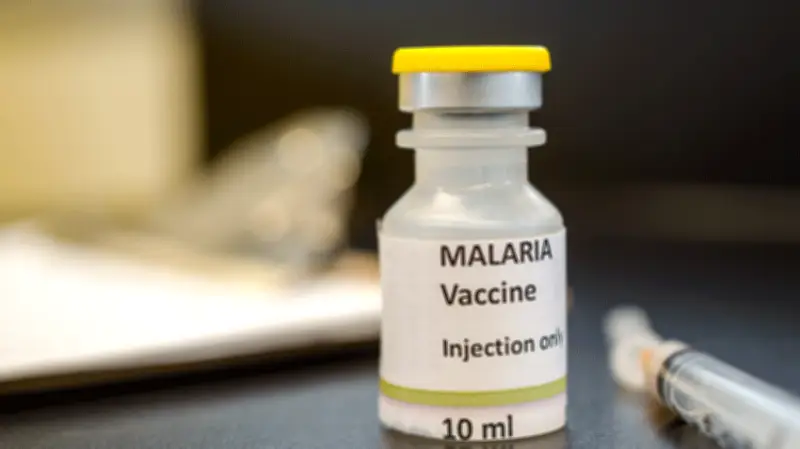
The malaria vaccine, rolled out in Kebbi, Bayelsa, Bauchi, and Ondo states, is one layer of intervention. Pate emphasized that it works best alongside bed nets, seasonal chemoprevention, prompt testing, and treatment. “The vaccine is for children under two years, but it is most effective when layered with other interventions. We are optimizing our strategies and will double down as resources become available to defeat malaria,” he said.
The federal government, working with states, is making substantial investments in malaria response. Pate expressed confidence that Nigeria can defeat malaria if the current path is maintained.
Long-Term Elimination Goals
Prof. Christian Happi, Distinguished Professor of Molecular Biology and Genomics and Director of the Institute of Genomics and Global Health at Redeemer’s University, Ede, Osun State, noted that Nigeria has moved from high to moderate malaria transmission. “Our target is to go from moderate to low transmission, then to pre-elimination, and eventually elimination within the next 20 years. However, this must be done in the context of Africa, as people move across borders. We are coordinating actions with neighboring countries to reduce the burden continent-wide, taking into account each country’s peculiarities. I believe we can eradicate malaria in the next 15 to 20 years,” Happi said.