The Nigeria Centre for Disease Control and Prevention (NCDC) has called on Nigerians to adhere strictly to public health advisories, despite the absence of any confirmed Ebola case in the country. The agency's Director-General, Jide Idris, made the appeal during a media briefing in Lagos, where he detailed the nation's preparedness measures following Ebola outbreaks in the Democratic Republic of Congo (DRC) and Uganda.
Risk Assessment and Current Status
According to Idris, a comprehensive dynamic risk assessment conducted by the NCDC classified the risk of Ebola importation into Nigeria as high. Factors contributing to this assessment include increasing regional transmission, international travel, population movement, porous borders, and the possibility of delayed detection due to symptom similarities with malaria and Lassa fever. However, he stressed that there is currently no confirmed case of Ebola Virus Disease (EVD) in Nigeria, urging the public to remain calm.
Preparedness Measures
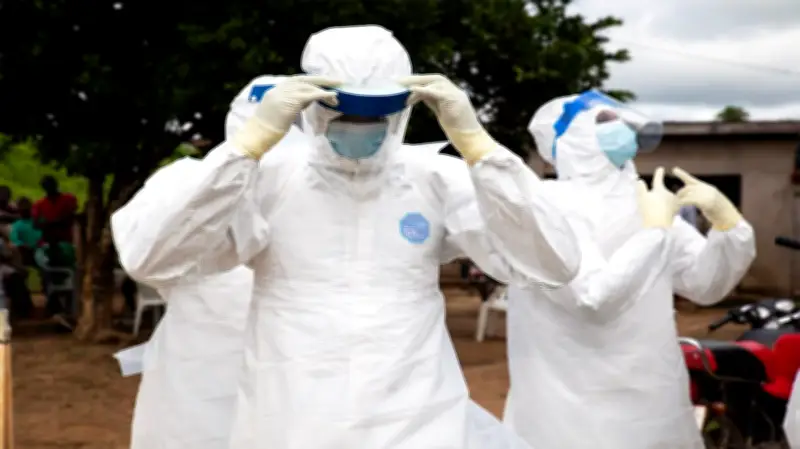
Idris disclosed that readiness assessments have been completed in 549 health facilities across 32 states and the Federal Capital Territory (FCT). Additionally, 17 designated treatment centres have been evaluated for screening capacity, isolation readiness, infection prevention and control (IPC) systems, healthcare worker protection, and treatment preparedness. While there is no specific training programme dedicated to Ebola, he noted that management of the disease requires strict adherence to the use of Personal Protective Equipment (PPE) and IPC protocols.
The NCDC boss emphasized that preparedness is a collective responsibility, requiring collaboration among state governments, healthcare institutions, communities, development partners, and the public. He encouraged Nigerians to continue normal activities while obtaining information only from credible sources, avoiding rumours and misinformation, and promptly reporting unusual illnesses through established public health channels.
Continental Response Plan
Meanwhile, the Africa Centres for Disease Control and Prevention (Africa CDC) and the World Health Organization (WHO) have unveiled a six-month continental preparedness and response plan covering June to November 2026. The initiative aims to strengthen Africa's response to the Ebola outbreak by mobilizing $518 million and bringing together governments, partners, and communities under a unified “One Response” approach.
The plan focuses on emergency coordination, disease surveillance, laboratory testing, infection prevention and control, clinical care, community engagement, research, logistics, and the continuity of essential health services. It is designed to complement national response plans in the DRC and Uganda while supporting affected and at-risk countries in strengthening outbreak preparedness and response systems.
Leadership Perspectives
Dr Jean Kaseya, Director-General of Africa CDC, stressed that Africa must respond with urgency and unity to prevent further spread of the disease. He stated that the joint plan provides a clear framework for coordinated action to save lives, support affected countries, and protect neighbouring communities. Similarly, WHO Director-General Dr Tedros Adhanom Ghebreyesus emphasized that close partnership and coordinated leadership by affected countries are critical to ending the outbreak. He noted that the response must be guided by the principle of “one plan, one budget, one team,” with political commitment, sustainable financing, and community trust essential to containing Ebola transmission.
Tedros explained that communities remain central to the response because effective contact tracing, timely access to care, and successful disease control depend heavily on public participation and cooperation. The organizations noted that the plan prioritizes the protection of vulnerable populations, stronger cross-border collaboration, and rapid response to emerging cases, while also helping countries build more resilient health systems capable of managing future health emergencies.
Treatment and Vaccine Development
To address existing treatment gaps, the Government of the DRC, WHO, and other partners are working to rapidly initiate randomized controlled trials on candidate vaccines and treatments. The organizations urged communities to continue practising regular hand hygiene, seek medical care promptly when symptoms appear, and share only accurate health information. The plan also seeks to sustain support for other ongoing health emergencies, including mpox, cholera, and measles, to prevent disruptions to existing response efforts.
Africa CDC and WHO further called on member states to strengthen screening and public health measures at points of entry while enhancing cross-border coordination and solidarity. Drawing lessons from previous Ebola outbreaks and other public health emergencies, the organizations said the initiative would not only help control the current outbreak but also strengthen Africa’s long-term capacity to prevent, detect, and respond to future health threats while protecting lives and livelihoods.