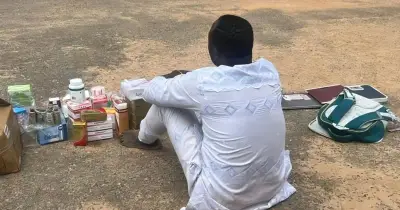
The Pharmacy Council of Nigeria has sealed no fewer than 572 pharmacies, patent medicine stores, and illegal medicine outlets across Plateau State following a four-day enforcement operation.
Announcing the exercise at a press conference in Jos on Friday, the PCN's Head of Enforcement, Dr. Suleiman Chiroma, said the outlets were shut for multiple regulatory breaches, including cooking inside drug premises, unauthorized clinical practice, and improper access to controlled medicines.
Speaking on behalf of the Council's Registrar, Ibrahim Ahmed, Chiroma stated that the operation was carried out under the Pharmacy Council of Nigeria (Establishment) Act No. 31 of 2022. He described it as part of a broader effort to enforce the National Drug Distribution Guidelines aimed at fixing what the Federal Government has called the country's chaotic drug distribution system.
The major goal of the NDDG is to ensure drug distribution through approved channels, from the point of manufacture or importation to the end user, Chiroma said. He added that the ongoing enforcement initiative is systematically disengaging non-professional actors from the pharmaceutical supply chain and remedying deficiencies in storage infrastructure. This intervention is fundamental to the eradication of substandard and falsified medicinal products.
According to the PCN, enforcement teams visited eight local government areas, including Jos South, Jos North, Mangu, Shendam, Barkin Ladi, Qua'an Pan, and Bassa. A total of 778 premises were inspected, comprising 199 pharmacies, 499 patent medicine stores, and 80 illegal outlets.
Chiroma reported that 572 premises were ultimately sealed: 120 pharmacies, 372 patent medicine stores, and all 80 illegal outlets. Five compliance directives were also issued.
Of the 199 pharmacies visited, 60 percent were sealed. This finding reflects a deeply concerning standard of pharmaceutical practice within the state and underscores the need for the Pharmacy Council of Nigeria to intensify its regulatory efforts in Plateau State, he said.
The Council noted that only 26 percent of all inspected premises were pharmacies, while the majority were patent medicine vendors or unlicensed operations. Observed violations included cooking inside medicine outlets, unauthorized clinical practice, storage and dispensing of medicines beyond legal limits, non-pharmacists accessing poison cupboards, and obstruction of pharmacy inspectors.
Such practices pose grave risks to public health and national security, as controlled medicines may be diverted into the hands of criminal elements and insurgents, Chiroma warned.
Despite the large number of closures, the Council said illegal premises accounted for just 10 percent of all sites visited and 14 percent of those sealed. This indicates a relatively low prevalence of illegal premises in Plateau State, Chiroma said. However, he expressed disappointment with registered pharmacies, noting that only 40 percent were found to be in good standing, with many operating under incomplete registration.
Chiroma said the PCN remains unwavering in its statutory mandate to safeguard integrity within the pharmaceutical practice environment. All premises engaged in the handling of medicines shall be subject to rigorous and sustained regulatory oversight. The Council urged residents to patronize only licensed medicine outlets.