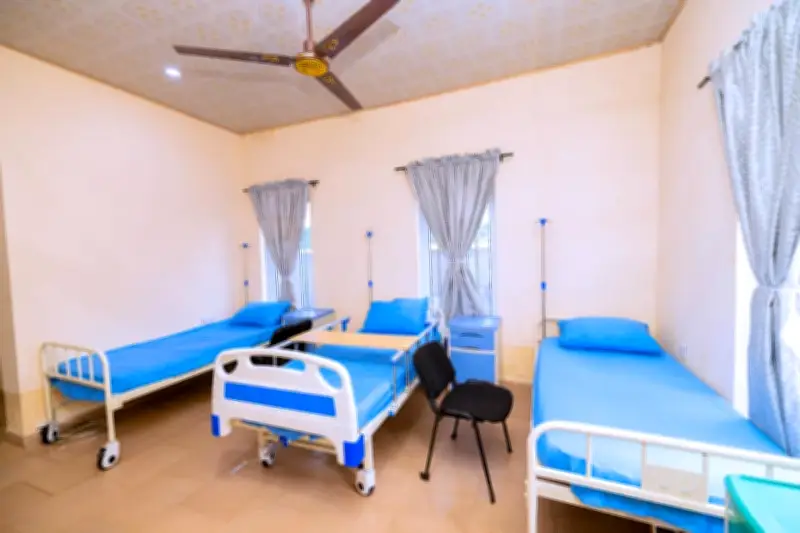
Governor Peter Mbah of Enugu State has received widespread acclaim from the World Health Organization (WHO), the United Nations Children's Fund (UNICEF), and local community leaders for his unwavering commitment to revitalizing primary healthcare across the state. The commendations came during a recent assessment of healthcare facilities, where officials noted significant improvements in infrastructure, staffing, and service delivery.
International Recognition for Healthcare Reforms
Dr. Walter Kazadi Mulombo, WHO Country Representative to Nigeria, lauded Governor Mbah's initiatives, stating, "The governor's dedication to primary healthcare is evident in the tangible changes we have witnessed. Enugu is setting a benchmark for other states to follow." UNICEF's Chief of Field Office in Enugu, Dr. Ibrahim Conteh, echoed these sentiments, highlighting the reduction in maternal and child mortality rates as a direct result of the state's investments.
According to the state's Ministry of Health, over 200 primary healthcare centers have been renovated and equipped with essential drugs and medical supplies. Additionally, more than 1,000 healthcare workers have been trained in emergency obstetric care and child health services, contributing to a 30% increase in facility-based deliveries.
Community Leaders Applaud Improved Access
Traditional rulers and community leaders from various local government areas expressed their gratitude during a town hall meeting with the governor. Chief Emmanuel Nnamani, a community leader from Nkanu East, said, "For years, our people had to travel long distances for basic medical care. Now, with functional health centers in our communities, lives are being saved daily."
The governor's administration has also launched a mobile health outreach program that has reached over 50,000 residents in hard-to-reach areas. This initiative provides free health screenings, vaccinations, and health education, further bridging the gap in healthcare access.
Infrastructure and Equipment Upgrades
Enugu State has invested heavily in upgrading healthcare infrastructure. Solar-powered electricity has been installed in 150 primary health centers, ensuring uninterrupted power supply for refrigeration of vaccines and operation of medical equipment. The state has also deployed telemedicine services in 50 centers, allowing patients to consult with specialists remotely.
Governor Mbah, during the event, reiterated his administration's commitment to achieving universal health coverage. "Our goal is to ensure that no resident of Enugu State dies from preventable diseases. We will continue to prioritize healthcare funding and partner with international organizations to sustain these gains," he said.
Impact on Health Indicators
The recent efforts have yielded measurable results. The state's immunization coverage has increased from 67% to 85% in the past year, and the number of women receiving antenatal care has risen by 40%. The state also recorded a 25% decline in under-five mortality rates, according to the Enugu State Primary Healthcare Development Agency.
Community health workers have been deployed to conduct door-to-door campaigns, educating families on hygiene, nutrition, and disease prevention. These workers have also been instrumental in tracking and treating cases of malaria, diarrhea, and pneumonia, which are among the leading causes of child deaths in the region.
Sustainable Partnerships for the Future
The WHO and UNICEF have pledged continued technical and financial support to Enugu State. Dr. Mulombo emphasized that the success in Enugu could serve as a model for other states in Nigeria. "We are committed to working with the state government to ensure that these improvements are sustainable and that the people of Enugu continue to benefit from quality healthcare," he added.
Governor Mbah has allocated 15% of the state's budget to health, exceeding the Abuja Declaration target of 15% for the first time in the state's history. This funding is directed towards infrastructure, personnel training, and the procurement of essential medicines.