The dawn of a new year serves as a powerful reminder that health truly is wealth. For many Nigerians navigating the relentless pace of modern life in cities like Lagos, Abuja, and Port Harcourt, balancing nutritious meals with demanding work schedules, social obligations, and personal commitments remains a significant challenge.
Common habits such as relying on fast food, consuming processed meals, and skipping meals altogether can lead to frequent illness, persistent fatigue, and serious long-term health complications. The food choices made today directly influence how the body will function tomorrow. Fortunately, leading Nigerian health experts argue that adopting a healthier diet does not require a complete lifestyle overhaul.
Small Swaps, Significant Impact
According to Dietitian Enoabasi Nta, a major misconception is that healthy eating demands abandoning beloved local dishes. She emphasizes that minor, strategic adjustments can yield substantial benefits. "Instead of ditching fast food completely, simply swap ingredients for healthier versions," Nta advises.
Her practical recommendations include choosing grilled chicken or fish over deep-fried options at a buka (local eatery) and selecting coleslaw instead of fries at restaurants. She also highlights the value of leveraging affordable local staples prepared in healthier ways.
"Boiling plantains or yams takes about the same time as waiting for a fast food order. Pair them with vegetable soups or stews cooked in bulk over the weekend," she suggests. For snacking, she recommends replacing processed biscuits or chin-chin with readily available groundnuts, tiger nuts, or fresh fruits like oranges and bananas, which are perfect for keeping in your bag or car to avoid impulse buys in traffic.
Nta also addresses the popular consumption of sugary drinks. "Many Nigerians love malt and soda, but switching to water, kunu, or zobo is healthier. The goal isn't necessarily to cut them out entirely, but to consciously reduce intake," she explains. She further advocates for portion control, suggesting that sharing a large plate of food or saving half for later can be an effective strategy.
Dispelling the Myth of Difficulty
Nutritionist Ademiju Fakoya tackles another barrier head-on: the belief that eating well is inherently difficult and restrictive. "Many people think eating well means giving up their favourite foods, counting every calorie, and following strict rules. No wonder it feels overwhelming," she states.
Fakoya criticizes diet fads that reduce health to mere weight loss, creating a mindset where food is seen as something to endure rather than enjoy. "People focus on numbers—calories, weight, portion sizes—instead of asking: 'Am I eating foods that nourish my body?'" she notes, advocating for a more holistic and enjoyable approach to nutrition.
Actionable Strategies from Nigerian Experts
Combining insights from dietitians Enoabasi Nta and Ann Udo-Umo, along with nutritionists Ademiju Fakoya, Odukoya Fiyinfoluwa, and Ibude Jayne, here are simple yet powerful strategies for a healthier 2026:
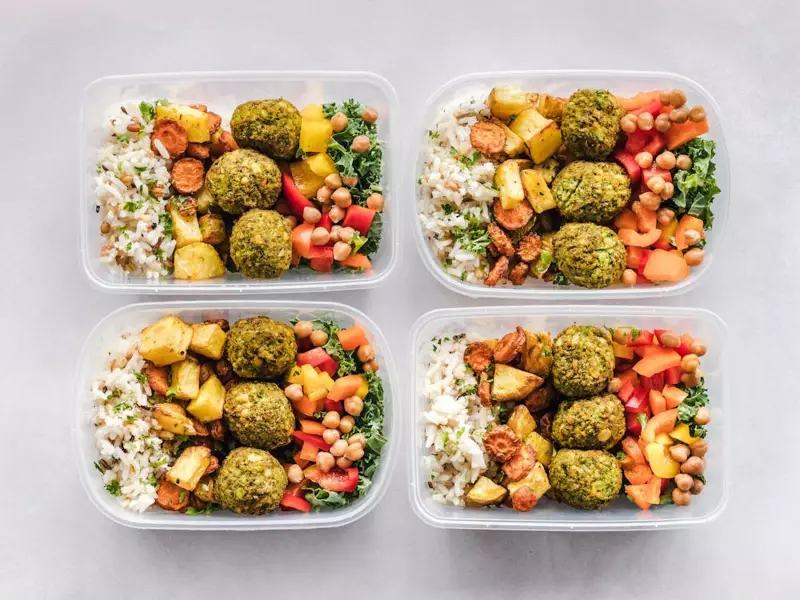
Plan and Prepare in Advance: If daily cooking is impractical, dedicate time over the weekend to prepare meals in bulk. Always carry healthy snacks like nuts, dried fruits, or boiled eggs to curb cravings for junk food.
Make Smarter Food Choices: Actively choose grilled, steamed, or roasted options over deep-fried foods. Boost your vegetable intake by adding them generously to soups, stews, and rice dishes.
Rethink Your Drinks: Soft drinks and packaged fruit juices are often loaded with hidden sugars. Make water your primary drink, or opt for infused water, unsweetened zobo, or kunu.
Eat for Your Lifestyle: Tailor your food intake to your daily activity. If your job is physically demanding, incorporate more energy-giving foods like beans and yams. For sedentary desk jobs, focus on lighter meals rich in vegetables.
Never Skip Meals: Skipping meals often leads to overeating later. Even when rushed, consume something small and nutritious, such as whole wheat bread, fruit, or a boiled egg.
Stay Hydrated: Thirst is frequently mistaken for hunger, triggering unnecessary snacking. Make a habit of carrying a water bottle to ensure you stay adequately hydrated throughout the day.
Choose Healthy Roadside Snacks: Combat the temptation of poor snacking during long hours in traffic. Opt for roasted corn, boli (roasted plantain), or akara instead of doughnuts or meat pies.
By integrating these expert-backed, realistic tips into daily routines, Nigerians can build sustainable healthy eating habits that support long-term wellness without adding stress to their fast-paced lives.