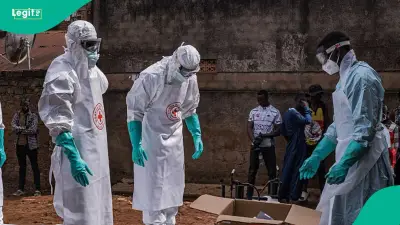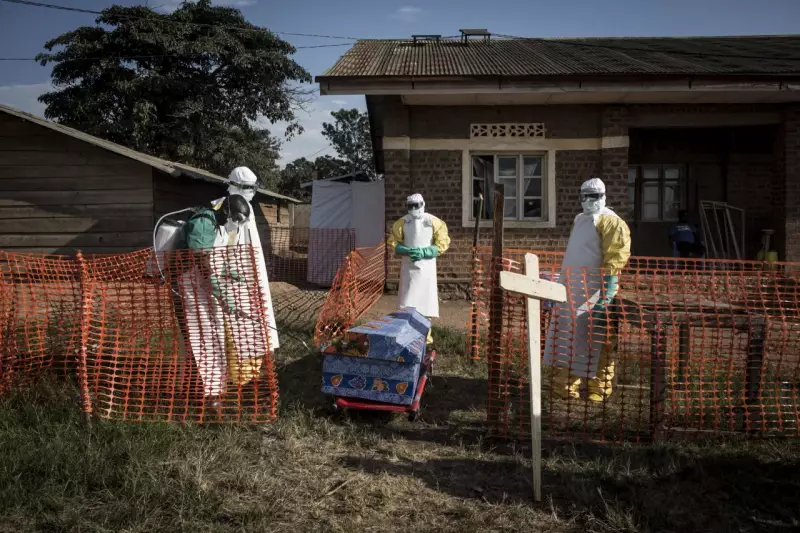
A major breakthrough in the fight against Lassa fever is underway, with scientists crediting the tragic 2016 Ebola outbreak in West Africa as a key catalyst. Researchers from the Coalition for Epidemic Preparedness Innovations (CEPI) and the University of Oxford have developed a promising vaccine candidate, which has now entered its first phase of human clinical trials.
From Ebola's Tragedy to Lassa Fever Hope
During a recent virtual media briefing, experts explained the direct link between the two deadly diseases. Dr. Katrin Ramsauer, CEPI's Lassa Disease Programme Lead, stated that the devastating 2016 Ebola outbreak exposed a critical global gap: the lack of a funding mechanism to develop vaccines for diseases that pose a major public health burden but offer little commercial incentive.
"This was really the birth moment for CEPI," Ramsauer said. Following Ebola, global organisations and countries pooled resources into CEPI with a mandate to fund vaccine development for epidemic threats, with a key focus on equitable access for those in need.
The Oxford Vaccine and Clinical Trial Milestone
The newly developed vaccine, named ChAdOx1 Lassa, is based on the same viral vector platform as the widely used Oxford/AstraZeneca COVID-19 vaccine. This technology uses a harmless chimpanzee cold virus to deliver a piece of the Lassa virus's genetic code, training the immune system without causing infection.
The first-in-human trial, run by the Oxford Vaccine Group and funded by CEPI, has already vaccinated its initial six healthy volunteers in the UK. Professor Maheshi Ramasamy, an infectious diseases expert at Oxford, reported that all participants are doing well with no safety concerns observed so far. The UK trial aims to enroll 31 people aged 18-55 to assess safety and immune response.
Lassa fever, first discovered in Nigeria in 1969, is a rodent-borne illness endemic to West Africa. It can cause severe bleeding, deafness, and death. The World Health Organization (WHO) classifies it as a priority pathogen, yet no licensed vaccines or treatments currently exist.
West African Focus and Nigeria's Central Role
A key question addressed was why the next trial phase is starting in Ghana rather than Nigeria, which bears the highest Lassa fever burden. Dr. Ramsauer explained that initial small-scale trials require specific partnerships for rapid development, and Ghana has reported fewer cases, simplifying early-stage logistics.
However, she strongly emphasised CEPI's significant investment in Nigeria. "We have invested in strengthening clinical trial capacity in West African countries, particularly in Nigeria, to make the country ready to kick in with clinical trials once the candidates are available," Ramsauer assured. Professor Ramasamy added that plans are advanced for later-phase trials in Nigeria, with engagement already underway with the Nigeria Lassa Task Force and visits planned for next year.
Furthermore, Oyeronke Oyebanji, CEPI's Head of Lassa Engagement, detailed the formation of the Lassa Fever Coalition with the West African Health Organisation (WAHO). Nigeria, Liberia, Sierra Leone, Guinea, and Benin are founding members. This coalition is working to create an enabling environment for vaccine development and future rollout, including publishing a Lassa Fever Policy Research Agenda and forecasting vaccine demand.
Addressing potential vaccine hesitancy, Oyebanji noted lessons learned from polio and routine immunisation programmes in Nigeria. CEPI is funding social science studies in Nigeria, Liberia, and Sierra Leone to understand community perceptions and ensure future acceptance of a Lassa fever vaccine.
The need for multiple vaccine candidates was also stressed. Just as with COVID-19, having more than one vaccine ensures resilience in manufacturing, distribution, and suitability for different populations. Alongside the Oxford candidate, CEPI is funding another vaccine by US-based IAVI, which is already in Phase Two trials in Nigeria.
This multi-pronged effort, born from the lessons of a past epidemic, represents a beacon of hope for containing a disease that has plagued West Africa for over 50 years.