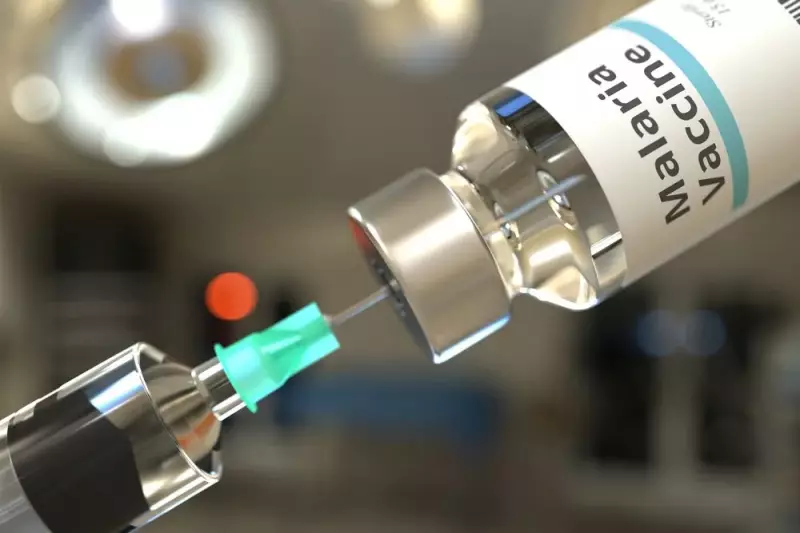
In a significant move to bolster Nigeria's health security and pharmaceutical independence, the Federal Government has concluded a specialized training program for scientists on cutting-edge mRNA technology for malaria vaccines.
Building Local Capacity for Vaccine Sovereignty
The intensive workshop, held in Abuja, brought together researchers from key institutions across the country. The training is a core component of the Enhancing Local Manufacturing and Supply Chain Management of Malaria Health Commodities Project.
This project is being executed through a collaboration between the Presidential Initiative for Unlocking the Healthcare Value Chain (PVAC) and the National Malaria Elimination Programme (NMEP), with crucial backing from the World Bank IMPACT Project.
Mohammed Balarabe, the Partnerships and Ecosystem Enablement Lead at PVAC, addressed participants, framing the initiative as a strategic step to advance local vaccine manufacturing. He emphasized that the program is designed to fortify Nigeria's health system resilience and prepare the nation's biopharmaceutical workforce for future pandemics.
"This capacity-building program equips our scientists with sophisticated skills to innovate using advanced technologies," Balarabe stated. He stressed the urgent need for Nigeria to transition from a reactive posture to being proactively prepared for emerging health threats, thereby ensuring health security and reducing reliance on foreign sources.
Hands-On Learning and Strategic Vision
The practical training was facilitated by experts from the Advanced Biologics and Vaccine Development (ABVD) group. It featured hands-on laboratory sessions and fostered collaborative learning among the professionals in attendance.
Balarabe further explained that PVAC, operating under a mandate from President Bola Ahmed Tinubu, is focused on unlocking the entire healthcare value chain. This involves attracting investment into the pharmaceutical sector while simultaneously building a skilled workforce capable of driving innovation in emerging fields like mRNA technology.
During the workshop, Dr. Olawale Salami provided critical insights to participants. He highlighted that understanding the interaction between the immune system and vaccines is fundamental to achieving long-term immunity, a particularly complex challenge in malaria vaccine development.
"Our immune system works in consonance with vaccines to provide protective immunity," Dr. Salami said. He pointed to the parasite's transition from merozoites to gametocytes as a key challenge in malaria control, noting that this process also presents a viable target for vaccine-based interventions aimed at blocking transmission.
A Concrete Step Towards Local Production
Mubarak Ahmed, a representative of InSight Health Consulting Limited—the project management consultant implementing the program for PVAC—spoke on the significance of the training. He confirmed that the workshop assembled professionals from diverse fields including molecular biology, biochemistry, microbiology, parasitology, and veterinary medicine.
"Nigeria has a clear vision to produce vaccines locally," Ahmed stated, adding that this training represents one of the first concrete steps by the current administration toward the local manufacturing of critical health commodities.
He reiterated that vaccines remain a cornerstone in the long-term fight against malaria, complementing other interventions like the use of long-lasting insecticide-treated nets. This initiative marks a pivotal shift towards self-reliance and technological mastery in Nigeria's quest to conquer endemic diseases and secure its public health future.