Health authorities in Lagos have issued a renewed and urgent appeal for consistent voluntary blood donations from residents. This call comes as the state, grappling with the healthcare demands of a population estimated at 30 million, strives to secure a reliable blood supply for critical medical needs.
Bridging the Critical Gap in Blood Supply
The Lagos State Commissioner for Health, Professor Akin Abayomi, revealed a significant shortfall in the state's blood collection targets. He stated that Lagos requires between 200,000 and 250,000 units of blood every year to adequately support its healthcare system. However, in the last collection cycle, only about 141,000 units were gathered, meeting roughly 70 per cent of the annual target.
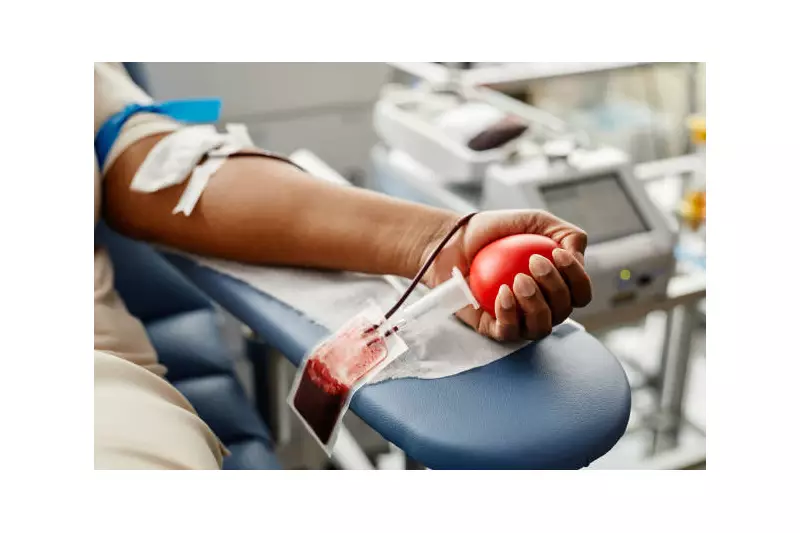
Professor Abayomi described blood as a "liquid organ", emphasising that transfusion is as critical as organ transplantation. He reassured potential donors that the process is safe for healthy individuals and involves strict scientific protocols, including rigorous screening and precise matching, to prevent complications and infections.
Grassroots Campaigns to Dispel Myths and Boost Confidence
To directly address the need, the Lagos State Blood Transfusion Service (LSBTS) organised a Voluntary Blood Donation Awareness and One-to-One Sensitisation Campaign at the Lagos State Government Secretariat Community in Alausa-Ikeja. This event, held on 15 January 2026 as part of Blood Awareness Month activities, was themed "Voluntary Donors, Sustainable Blood: Securing Lagos State’s Blood Supply."
The Executive Secretary of LSBTS, Dr Bodunrin Osikomaiya, lamented that persistent myths and fears continue to deter people from donating blood, despite daily medical emergencies. She explained that the campaign was designed to take advocacy directly to communities, starting with government offices and public spaces, to stimulate wider participation and improve transparency in the blood service's operations.
Modernising Services for a Resilient Health System
The Special Adviser to the Governor on Health, Dr Kemi Ogunyemi, highlighted the constant demand for blood across various medical scenarios:
- Emergency road traffic accidents
- Surgical procedures
- Childbirth complications
She detailed the administration's efforts to modernise blood transfusion services through digitisation, improved tracking systems, and strengthened safety protocols. Dr Ogunyemi stressed that not all prospective donors are accepted, underscoring the importance of robust screening and continuous staff training to maintain global best practices.
The Permanent Secretary of the Lagos State Ministry of Health, Dr Dayo Lajide, noted that demand often spikes during festive periods but remains a year-round necessity. She praised the commitment of voluntary donors, describing blood as a critical resource for effective healthcare delivery.
Echoing the call for collective responsibility, the Senior Special Assistant to the Governor on Health, Dr Oluwatoni Adeyemi, urged residents to view blood donation as a continuous civic duty rather than a one-off activity. He announced that LSBTS has expanded its digital platforms to make it easier for residents to find information on where and how to donate blood throughout the year.