In a significant move for public health, Nigeria and the United States have forged a major bilateral agreement that redefines their cooperation. Signed in Abuja last week, this pact commits both nations to a substantial financial and technical partnership aimed at fortifying Nigeria's health system from April 2026 to December 2030.
A Financial Framework Built on Shared Responsibility
The core of the agreement is a balanced co-investment model. The United States Government is set to provide $2.1 billion in grant financing over the five-year period to support Nigeria's health priorities. Crucially, this is not an open-ended aid package.
In a landmark commitment, Nigeria has pledged to allocate a minimum of 6% of executed annual Federal and State budgets to health. This domestic commitment is projected to mobilize an additional $3 billion in local financing, creating a total investment pool of $5.1 billion. This commitment is already reflected in the Federal Government's proposed 2026 Appropriation Bill, signaling serious integration into national fiscal planning.
Strategic Focus and Practical Implementation
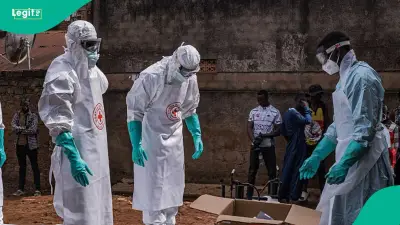
The scope of cooperation is designed for tangible impact. The agreement prioritizes strengthening systems for early detection and control of infectious diseases like HIV and tuberculosis. It also focuses on enhancing disease surveillance, improving laboratory infrastructure and biosafety, building reliable data systems, supporting frontline health workers, and ensuring access to essential medical commodities.
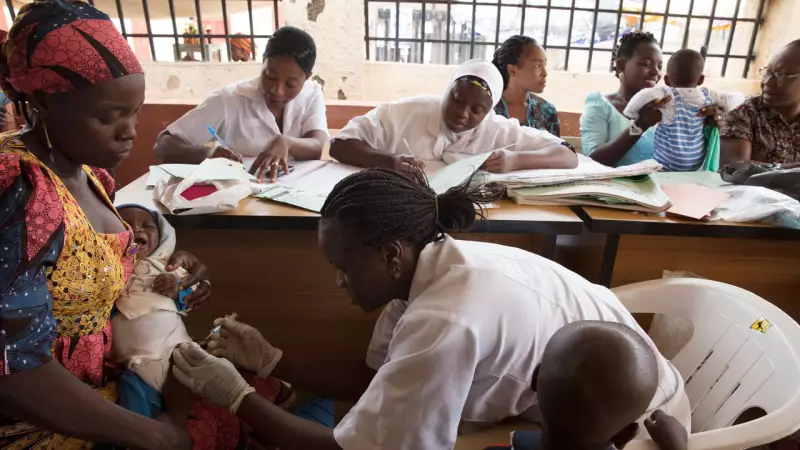
A notable part of the U.S. support will be directed through faith-based healthcare networks. These include over 900 Christian health facilities that provide integrated services for HIV, tuberculosis, malaria, and maternal and child health. These networks serve more than 30% of Nigeria's population, often in areas where public health infrastructure is weakest.
Anchored in Nigeria's Existing Reform Agenda
This Memorandum of Understanding does not create a new reform path but reinforces one already underway. It is strategically aligned with the Nigeria Health Sector Renewal Investment Initiative (NHSRII) launched in 2023. The agreement also builds upon the Health Sector Renewal Compact signed in December 2023 under President Bola Ahmed Tinubu's leadership, which unified all 36 states and the Federal Capital Territory behind a common health agenda.
By tying external support to this existing domestic reform architecture, the agreement aims to avoid fragmentation and ensure resources strengthen, rather than distort, Nigeria's own health system priorities. The Coordinating Minister of Health and Social Welfare, Professor Muhammad Ali Pate U.S. officials have described this as the largest co-investment secured by any partner country under Washington's current global health framework. This reflects a strategic shift in international health engagement, moving away from indefinite assistance toward partnerships defined by shared fiscal responsibility and measurable outcomes. For the United States, strengthening Nigeria's capacity to prevent, detect, and respond to health threats is an investment in global health security and regional stability. For Nigeria, it represents a critical step toward sustainable health financing and system resilience at a time of significant fiscal pressure. The true test of this ambitious agreement will lie in its implementation. Effective coordination across all tiers of government and visible delivery on the ground will determine if it translates into stronger laboratories, more resilient primary care, better-protected health workers, and ultimately, improved health outcomes for the Nigerian people.A New Model for Global Health Partnership