Following a recent publication in The Economist on the decline of global press freedom, media professionals have called on African leaders to urgently change the narrative by safeguarding the continent's press freedom. Earlier this year, The Economist of London published a story titled, 'As global press freedom dwindles, corrupt politicians rejoice.' The editorial board observed that press freedom is in retreat worldwide, and politicians who want to rob the public have an incentive to gag the press.
Media Professionals Speak Out
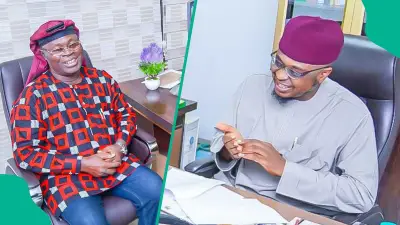
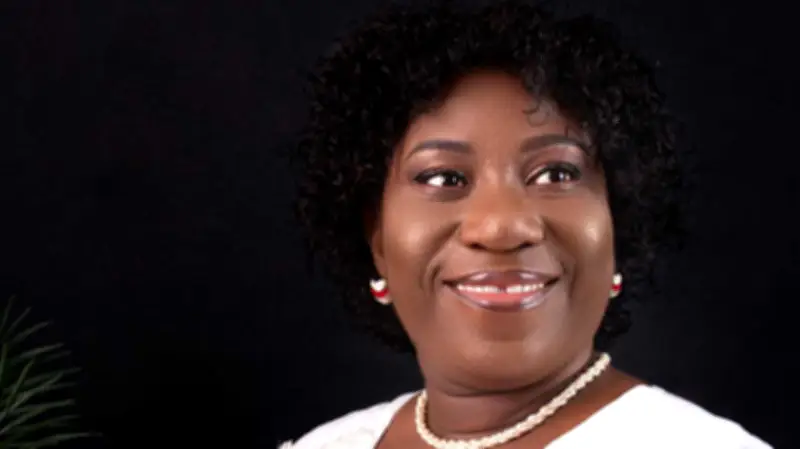
Media professionals who spoke with The Guardian include Motunrayo Alaka, Executive Director and Chief Executive Officer of the Wole Soyinka Centre for Investigative Journalism (WSCIJ); Ayode Longe, Deputy Executive Director of Media Rights Agenda (MRA); and Professor Olunifesi Adekunle Suraj of the Department of Mass Communication, University of Lagos.
Alaka's Perspective
According to Alaka, 'What was published is not new to us. At WSCIJ, we have done three reports on journalism and the stifling of the civic space. People are speaking, but they are speaking in hush voices. The voices are getting less audible. We are moving from shout to whispers about holding the people in power accountable. Interestingly, investigative reporting is getting watery and lonely. It is scary because this is not a military system. It is a function of a growing system of repression in Nigeria and globally.'
As a way out, she added, 'African governments must be seen to be accountable to the people. This is where democracy thrives.' Stressing the need for journalist safety, Alaka suggested, 'We must get to a place of zero tolerance for repression of the press, and the gatekeepers must lead this. The threat to freedom of expression and freedom of the press is an existential threat. The vulnerable people in society will suffer more when there is corruption. Corruption is the greatest crime against humanity. There should also be funds that ensure the sustainability of independent media. The government must lead it. The fundamentals of democracy require a thriving media. With the withdrawal of international donor funds, the media is struggling.'
Longe's Analysis
Saying press freedom does not decline on its own, Longe observed that it is politicians who, by their actions and inaction, shrink the civic space, including dwindling press freedom, so that they can act with impunity where they should be held accountable. He noted, 'They do this in their relationship with the media and in the performance of legislative duties by those in government, especially those in parliament.'
Speaking further, he remarked that legislators, who are essentially politicians, have tried several times to curtail the reach of the press, but for the vigilance, advocacy, and pushback by civil society. Nigeria, he added, is a country without express press freedom yet; the little freedom that the press enjoys, politicians want to whittle down. Offering solutions, he advised, 'The press can be free in Africa if the governments of African countries understand that the press is a vital sector of society that holds people accountable. Section 22 of Nigeria's constitution says the media shall at all times be free to uphold the responsibility and accountability of the government to the people. This is in recognition of the important role that the media plays. African media, therefore, need express freedom to operate. A few countries have such provisions in their laws.'
Longe continued, 'African nations must, at the basic level, ensure that perpetrators of attacks on the media are not allowed to walk away freely, for then impunity will thrive and the media will practice self-censorship. Those who attack the media should be held accountable, whether they are military, law enforcement agents, hoodlums, individuals, or politicians; it must be clearly demonstrated that nobody can attack the media and go free. This is not the case in most African countries; in short, government agencies, especially those entrusted with protecting citizens, including journalists, are the worst perpetrators.'
In Media Rights Agenda's 2025 report titled 'The Reign of Impunity,' Longe also noted that operatives of the Nigerian Police Force were responsible for perpetrating attacks in 41 of the 86 incidents of attacks on freedom of expression. He concluded, 'That is 47.86% of the total incidents; this is unacceptable.'
Suraj's Multi-Stakeholder Approach
Speaking in a similar vein, Suraj advocated a multi-stakeholder approach to address the issue. According to the don, the European Union (EU), the Economic Community of West African States (ECOWAS), pressure groups, and civil organizations hold the key to press freedom. Stating that African governments naturally do not like critical press, he added that there is also a need for awareness on the part of citizens. He observed that most citizens do not understand the connection between press freedom, freedom of expression, and an open society. Suraj concluded, 'It is when the citizens are well informed on the significance of the press when it comes to nation-building that they can stand with the press.'