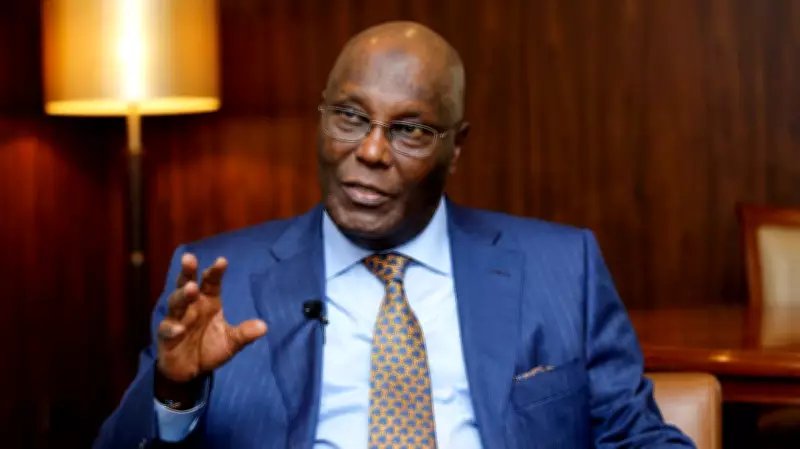
Former Vice President Atiku Abubakar has stated that three years of President Bola Tinubu's administration have brought renewed hardship instead of the promised renewed hope. In his 2026 Workers Day message to Nigerian workers, Atiku claimed that the Renewed Hope Agenda, which motivated many to vote in the 2023 elections, has only refreshed the pockets of those in power, not the fortunes of the Nigerian people.
Fuel Subsidy Removal Criticized
Atiku acknowledged that the removal of the fuel subsidy was a necessary policy in principle, as the subsidy had become a fiscal hemorrhage benefiting cabal middlemen. However, he criticized the Tinubu administration for executing it recklessly, without preparation, safety nets, or transition plans. He noted that on inauguration day, the President announced the end of the subsidy, leading to skyrocketing fuel prices, doubled and tripled transportation costs, and soaring food prices. The Nigerian worker, already struggling with inflation, faced a cost of living that made survival a luxury.
Atiku argued that a responsible government would have prepared Nigerians with social safety nets and equitable pain-sharing. Instead, the administration removed the subsidy and left workers to drown. Trillions were saved, but nothing benefited the people. He questioned where the saved money went, noting that rather than funding infrastructure, healthcare, education, or economic stimulus, the funds were shared among government tiers. The bulk of the federal share, he alleged, is financing the controversial $11 billion Lagos-Calabar Coastal Highway project, awarded without competitive bidding to a company owned by President Tinubu's publicly acknowledged business partner. Atiku called this a brazen conversion of public resources for private enrichment.
Currency Mismanagement
The former VP stated that the decision to float the currency led to a catastrophic free fall of the Naira, eroding purchasing power. The exchange rate crashed to unprecedented levels, devastating workers earning in Naira. Imported goods, including medicines and food, became unaffordable, businesses shut down, and job losses occurred. Workers who built careers over decades found themselves unable to provide for their families.
Tax Reform Faulted
Atiku described the administration's tax reform policy as taxing the impoverished. He argued that increasing taxes during an economic crisis, when citizens struggle to survive, is not fiscal responsibility. A government that serves its people grows the tax base by growing the economy, creating jobs, and raising incomes. Instead, the Tinubu administration chose to squeeze the people harder, regardless of their capacity to pay.
Borrowing More, Delivering Less
Atiku accused the administration of borrowing more while delivering less. Despite new revenues from subsidy savings, a floating exchange rate, and aggressive taxation, government borrowing has increased dramatically, worsening Nigeria's debt profile. For two consecutive years, the government has been unable to fully fund its budget. He demanded a transparent account of where all the money has gone, noting that increased revenues and borrowing should translate into development, but instead there is decaying infrastructure, underfunded public services, and deepening multidimensional poverty.
Alternative Vision
Atiku recalled his 2023 campaign manifesto proposing a $10 billion economic stimulus program, using subsidy savings to create millions of jobs in agriculture, manufacturing, technology, and infrastructure. This would have lifted millions from poverty, supported the vulnerable, and grown the tax base organically. He contrasted this with the coastal highway project awarded without due process to a presidential associate. He advised workers that their suffering is a direct consequence of trial-and-error policy choices. He urged them to demand leadership that spends resources on their welfare, not on opaque mega-projects serving the well-connected.