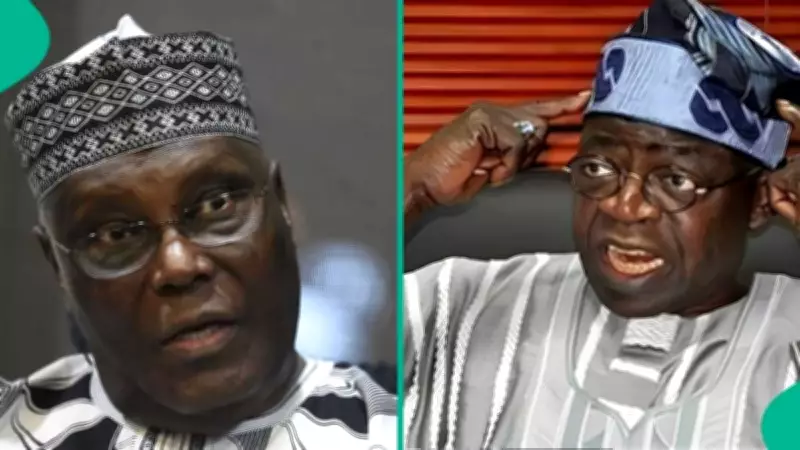
Atiku Abubakar Calls for Immediate Halt to NNPC Refinery Deals
Former Vice President and African Democratic Congress (ADC) chieftain Atiku Abubakar has issued a strong demand for the discontinuation of all proposed refinery deals involving the Nigerian National Petroleum Company Limited (NNPCL). The political leader made this call through a detailed social media statement on Sunday, February 8, 2026, citing deep concerns about transparency and historical failures in Nigeria's refinery sector.
Historical Failures Justify Privatization Push
Atiku Abubakar emphasized that any proposed refinery deal, including those with foreign partners, merely repeats failed models that have plagued Nigeria's petroleum industry for decades. The opposition leader pointed specifically to the Port Harcourt Refinery project, which reportedly consumed $1.5 billion in public funds before NNPCL admitted that reopening the facility would be economically wasteful.
"This belated admission validates my long-held position that Nigeria's refineries should be privatized," Atiku declared in his statement. "It is instructive that the Tinubu administration has finally come to terms with an inevitable truth: pouring public funds into moribund refineries is economically indefensible."
Political Pressure Versus Economic Sense
The former presidential candidate expressed clear dissatisfaction with what he described as political pressures undermining sound economic policies in Nigeria's refinery sector. According to Atiku, the alleged push by the President Bola Tinubu-led administration to resuscitate these refineries appears driven more by political considerations than economic rationality.
"Politics must never substitute for sound, transformative policy," Atiku warned, highlighting his concern that political motivations continue to override practical economic solutions in Nigeria's energy sector.
Transparency Concerns and Financial Mismanagement
Atiku's call for discontinuing refinery deals comes against a backdrop of persistent transparency issues within NNPCL. For years, the corporation has faced:
- Bribery scandals and corruption allegations
- Financial transparency concerns
- Persistent questions about its dual role as both industry player and regulator
- Billions spent on turnaround maintenance with minimal results
The 79-year-old politician noted that decades of so-called turnaround maintenance have swallowed billions of dollars with little to show for the investment, exposing what he described as deep deficits in capacity, technical know-how, and financial discipline within Nigeria's refinery operations.
Privatization as the Path Forward
Atiku Abubakar argued that Nigeria would have been better served by selling the refineries before attempting costly rehabilitation projects. According to his analysis, this approach would prevent "ballooning debt and the steady depreciation of what have effectively become liabilities."
The political veteran revealed that he has advanced this privatization position for years, during which time he faced criticism and accusations of plotting to sell public assets to cronies. "Today, the facts have caught up with the rhetoric," Atiku stated, suggesting that current developments have vindicated his long-standing advocacy for refinery privatization.
Broader Implications for Nigeria's Energy Sector
Atiku's strong stance on refinery deals reflects broader concerns about Nigeria's approach to energy infrastructure and public resource management. His statement highlights several critical issues:
- The economic viability of continued public investment in failing refineries
- The need for transparent and accountable management of petroleum resources
- The tension between political considerations and sound economic policy
- The potential benefits of private sector participation in refinery operations
As Nigeria continues to grapple with energy challenges and refinery inefficiencies, Atiku Abubakar's call for discontinuing proposed deals and pursuing privatization represents a significant intervention in the ongoing debate about the future of the country's petroleum sector.