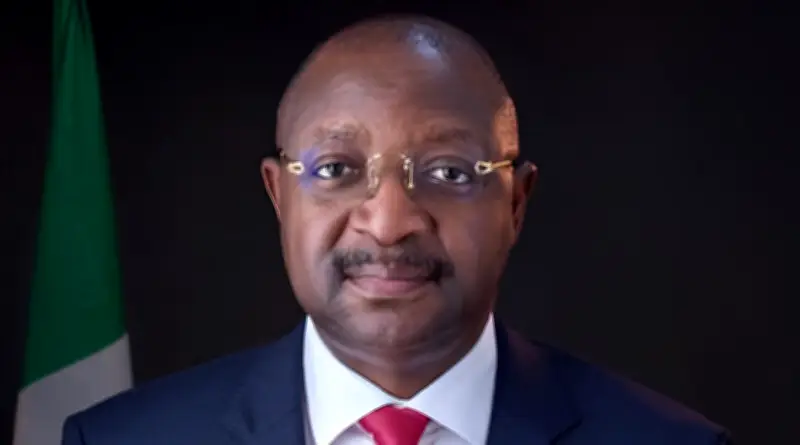
Sunday Dare, the Special Adviser to the President on Media and Public Communications, has launched a blistering attack on former Vice President Atiku Abubakar over his recent promise to reintroduce petrol subsidies if elected president. In a statement, Dare described Atiku's pledge as "political apostasy" and a "sordid, stingy manipulation of the public psyche" that would lead to "national economic suicide" if implemented.
Dare's rebuke comes as Atiku, the 2023 presidential candidate of the Peoples Democratic Party (PDP), has apparently shifted his stance on fuel subsidies, a policy he once championed removing. The Presidency aide accused Atiku of exploiting Nigerians' temporary economic pain to win electoral favour, warning that restoring the old import subsidy regime would "instantly sabotage the nascent renaissance of local refining, crush private sector confidence, and plunge the country back into chronic foreign exchange haemorrhage."
A Chronicle of Political Duplicity
Dare reminded Nigerians of Atiku's own economic manifesto during the build-up to the 2023 general election, when the former Vice President made the total removal of the fuel subsidy the "absolute cornerstone" of his platform. At that time, Atiku argued, with coverage from outlets like Premium Times and The PUNCH, that the "opaque, corruption-ridden import subsidy regime was bleeding the nation dry, enriching a parasitic cabal, and mortgaging the future of generations unborn."
Now, as the next electoral cycle approaches and Atiku's political prospects appear diminished, Dare said the former Vice President has engineered a "shameless volte-face." The statement reads: "The architect of yesterday’s fiscal discipline has overnight transformed into the high priest of populist pandering. This radical reversal is the ultimate hallmark of a desperate politician who cares less about long-term fiscal sustainability and more about capturing power by any means necessary."
The Desperation of a Fading Ambition
Dare characterised Atiku's career as "long shadowed by the relentless pursuit of the elusive presidency," an ambition that has "increasingly degenerated into a reflex of contrarian posturing." He noted that the current administration's removal of the subsidy — a framework "legally sealed by the Petroleum Industry Act" — was a necessary, albeit painful, structural reform.
Instead of offering constructive alternatives, Dare claimed Atiku has chosen "the path of political opportunism," expressing visible annoyance at the recovery underway in various sectors. The Presidency aide highlighted the "emergence of domestic refining capacity, the liberation of trillions of naira into the Federation Account for sub-national infrastructural development, and the steady weaning of the Nigerian economy from life-support leakages" as milestones that threaten Atiku's political narrative. "If he cannot rule, he would rather preside over ruins," Dare added.
A Sordid Rebuttal to Economic Regression
Dare argued that the old import subsidy regime was "a black hole of rent-seeking, round-tripping, and monumental corruption that starved health, education, and infrastructure of vital capital." He insisted that restoring it would undo the progress made under the Petroleum Industry Act and undermine private sector confidence.
The statement concluded with a call for Nigerians to reject Atiku's narrative of regression. "True leadership requires the courage to defend difficult, foundational reforms even when the political weather is rough, rather than pandering to populist illusions for ballot-box validation," Dare wrote. He described Atiku's hypocrisy as "an insult to the collective intelligence of a resilient populace navigating global economic headwinds" and expressed confidence that "this desperate gambit will fail."
Sunday Dare's statement is the latest salvo in an ongoing political battle over the fuel subsidy, a policy that remains deeply unpopular among many Nigerians despite its fiscal costs. The Presidency's defence of the removal signals that the administration is prepared to stand by its reform agenda in the face of mounting political pressure.