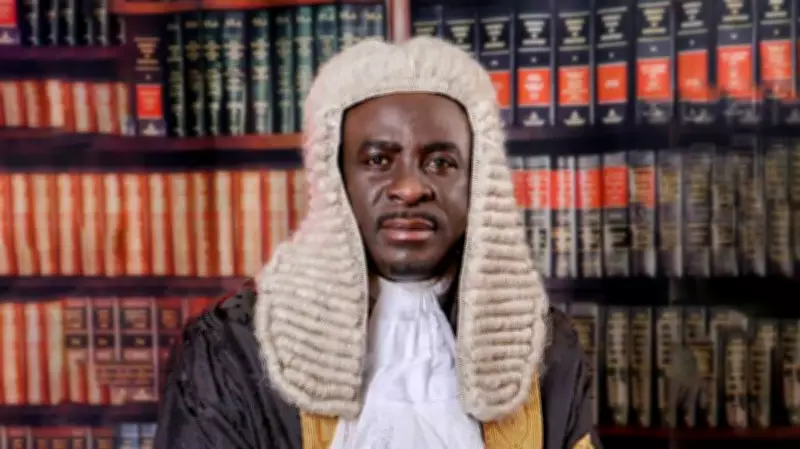
Prof. Adebambo Adewopo, a Senior Advocate of Nigeria and a leading authority on Intellectual Property law, has argued that recent reforms, including the Copyright Act 2022 and the National Intellectual Property Policy and Strategy 2025, are insufficient to drive the necessary changes in Nigeria's IP landscape. He called for a comprehensive overhaul of the country's IP law and its institutional framework.
Pioneering IP Scholarship in Nigeria
Prof. Adewopo, who pioneered the teaching and research of IP law in Nigeria, noted that when he began, there were only a handful of IP scholars. Over time, the situation has changed rapidly, with an impressive pool of scholars and practitioners now contributing to IP scholarship and policymaking.
IP as a Driver of Economic Growth
He emphasized that IP is the foundation of the knowledge economy, creating wealth, boosting innovation, generating revenue and jobs, and leading to economic growth. Nigeria, he said, cannot be an exception, given its abundant potential across creative and innovation sectors.
Structural Bottlenecks in Patent Protection
Prof. Adewopo identified poor innovation environment, lack of technical IP expertise, weak enforcement, and lax industry practices as structural bottlenecks preventing innovative ideas from translating into protected patents. He stressed the need for well-organized IP systems and efficient IP offices.
Combating Piracy in Creative Industries
On piracy, he noted that it has reached alarming proportions and remains a major economic saboteur. He recalled the Strategic Action Against Piracy campaign during his tenure at the Nigerian Copyright Commission. For the digital age, he recommended a nuanced digital anti-piracy enforcement strategy and inter-agency collaboration.
Needed Structural Reforms
Prof. Adewopo called for new Patents and Trademarks laws, building institutional infrastructure, streamlining IP agencies, and integrating IP into national development policies. He also emphasized the need for interagency collaboration due to the cross-cutting nature of IP.
Balancing Enforcement and Innovation
He stated that IP enforcement is key for public order and protection of private rights, but the primary duty of enforcement lies with the right owner, while the government retains power to combat large-scale piracy affecting the public interest.
Positioning Nigeria in the Global IP System
He advocated for a pro-development approach that balances international norms with protection of local industries and access to essential technologies.
AI and Copyright
On AI-generated works, he noted that AI is redefining creativity and challenging traditional definitions of authorship and ownership, requiring legal adaptation.
Digital Streaming and Online Piracy
He acknowledged that the Copyright Act 2022 addresses online piracy and intermediary liability, marking a significant step for Nigerian copyright law.
Priorities for Modernization
Prof. Adewopo said Nigeria is in the middle of the process of preparing IP laws for the digital economy, and next steps should focus on completing legal and institutional reforms.
Reforms at the NCC
As former Director-General of the NCC, he initiated reforms including creating Regulatory and Prosecution Departments, establishing the Copyright Institute, and launching the STRAP campaign. He emphasized the importance of manpower and training in achieving these successes.