Former Kaduna Governor Nasir El-Rufai Faces Court Arraignment Over Alleged Money Laundering
On the morning of March 24, former Kaduna State governor Nasir El-Rufai was arraigned before a Federal High Court in Kaduna by the Independent Corrupt Practices and Other Related Offences Commission (ICPC). The charges against him include alleged conversion and possession of public property, as well as money laundering, marking a significant development in ongoing anti-corruption efforts in Nigeria.
Court Appearance Details and Security Arrangements
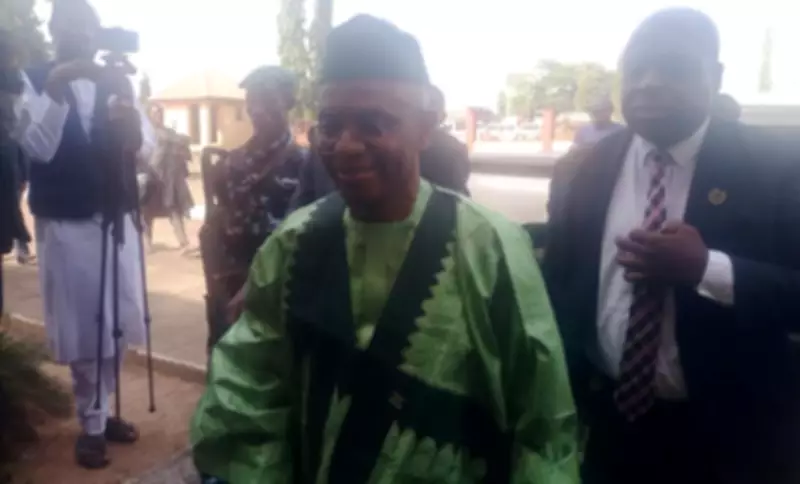
El-Rufai arrived at the court premises around 9:00 a.m. in a Hilux vehicle, where he remained inside for over 30 minutes before being escorted into the courtroom at approximately 9:34 a.m. Dressed in a light green babanriga with a matching cap, he was heavily guarded by operatives from both the ICPC and the Department of State Services (DSS). These security personnel formed a protective cordon around him as he entered the courtroom, highlighting the high-profile nature of the case.
Background and Implications of the Charges
The arraignment stems from allegations that El-Rufai engaged in financial misconduct during his tenure as governor. The ICPC's case focuses on accusations of money laundering and illegal possession of public assets, which are serious offenses under Nigerian law. This legal proceeding underscores the government's commitment to tackling corruption and holding public officials accountable, regardless of their status or previous positions.
Public and Media Reaction
The event has garnered widespread attention, with media outlets and social media platforms sharing updates and videos of the court appearance. For instance, a video posted by Linda Ikeji on Instagram captured El-Rufai being brought into court, further amplifying public interest in the case. This coverage reflects the ongoing scrutiny of political figures and the importance of transparency in governance.
Legal Proceedings and Next Steps
As the case progresses, legal experts anticipate that the court will examine evidence presented by the ICPC to determine the validity of the charges. The outcome could have significant implications for anti-corruption policies and the political landscape in Kaduna State and beyond. Observers are closely watching for developments, as this arraignment may set a precedent for future cases involving high-ranking officials.