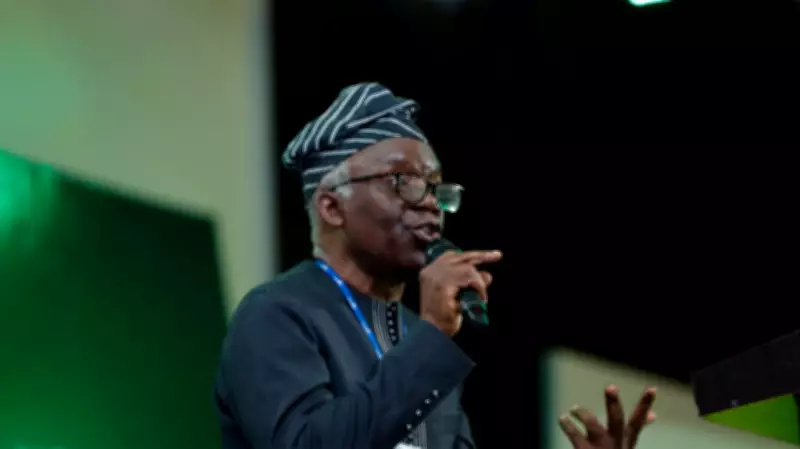
Human rights lawyer and Senior Advocate of Nigeria, Femi Falana, has called on President Bola Ahmed Tinubu to prioritize security briefings from Nigeria's Defence Headquarters over statements from foreign political figures when evaluating the country's security situation.
Falana's Stance on Security Intelligence
Falana's remarks come amid growing public discourse triggered by recent comments attributed to former United States President Donald Trump regarding security operations and terrorism-related developments in Nigeria. The senior lawyer emphasized that while international cooperation is vital in combating terrorism and transnational crimes, the Nigerian government must rely primarily on intelligence and operational reports from its own security institutions for critical national security decisions.
Importance of Local Intelligence
According to Falana, Nigeria's Defence Headquarters and local security agencies are best positioned to provide accurate assessments of military operations, internal threats, and ground realities. He stressed that national security management should be guided by institutional intelligence structures rather than politically colored international commentary that could create confusion or misrepresentation.
His comments have added a new dimension to ongoing discussions about Nigeria's security architecture, foreign military cooperation, and the role of international partners in the fight against insurgency and terrorism. The debate intensified following recent reports on joint security operations involving Nigerian and foreign forces, as well as claims about the elimination of high-profile terrorist figures allegedly linked to global extremist networks.
Broader Implications for National Security
While the Federal Government continues to deepen security cooperation with international allies, analysts say concerns remain over Nigeria's need to maintain control of its national security narrative and intelligence communication. Observers note that Falana's intervention reflects wider concerns among legal experts, civil society groups, and policy analysts who believe the country must strengthen confidence in its own military institutions and intelligence agencies.
Security experts have repeatedly argued that public communication around military operations requires caution, coordination, and verification to avoid misinformation that could affect morale or diplomatic relations. Although the Presidency has yet to officially respond to Falana's remarks, the comments are expected to fuel further conversations about transparency, foreign influence, and institutional trust within Nigeria's security framework.
For many Nigerians following the development, the issue transcends politics. It raises broader questions about sovereignty, information control, and how governments should communicate sensitive security matters in an era of global media influence.