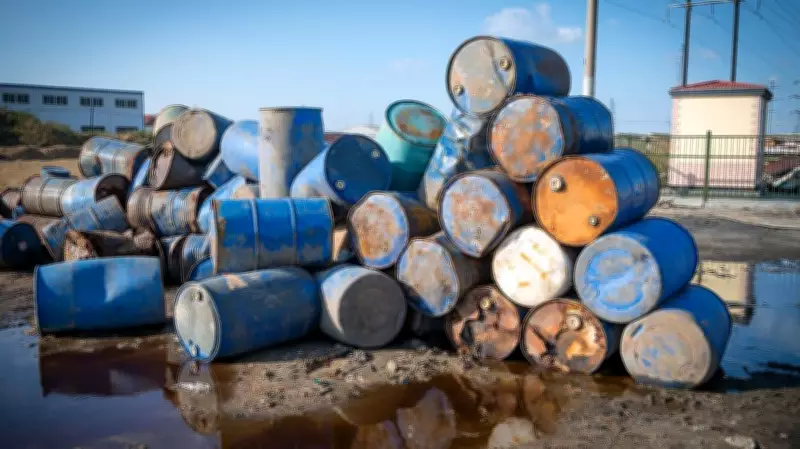
Leading environmental advocacy groups, the Global Alliance for Incinerator Alternatives (GAIA) and Break Free From Plastic Africa, have called for stronger measures to combat waste colonialism. This practice involves exporting waste from high-income nations to lower-income countries that are often ill-equipped to manage such materials safely.
Environmental Racism and Disproportionate Harm
The groups lamented that the practice perpetuates environmental racism and places disproportionate harm on vulnerable communities across Africa. According to them, communities and informal waste workers on the continent are unfairly forced to bear environmental and health burdens created elsewhere.
The organizations observed that although waste is frequently shipped to developing countries under the guise of “recycling,” the reality is that only nine percent of plastic produced since the 1950s has ever been recycled. They alleged that countries such as the United States, Italy, Germany, and Greece continue to export hazardous materials, including e-waste, plastic waste, and textile waste, to African nations.
Major Waste Hotspots in African Cities
The groups also expressed concern over major waste hotspots in African cities such as Lagos, Accra, and Nairobi, where dumpsites are reportedly filled with illegal imports, toxic electronics, hazardous plastics, textile waste, and chemical waste. Speaking during the 2026 Africa Day celebrations, the organizations said they were outraged that the relentless pursuit of cheap resource extraction by countries in the Global North continues to inflict severe environmental and health consequences across Africa. They stressed that children are among the worst affected, as many work in toxic dumpsites where they are exposed to dangerous chemicals and pollution with devastating health implications.
Call for Stronger Implementation of the Bamako Convention
Executive Director of the Centre de Recherche et d’éducation pour le Développement, Gilbert Kuepouo, said Africa was grappling with what he described as a “silent handicap” in addressing environmental challenges. Kuepouo stated, “Thirty-five years after its adoption, the Bamako Convention counts only 30 ratifications and only three Conferences of the Parties (COPs) organized, about one COP every 12 years. This is a paradox for a region that deliberately designed this instrument to protect itself and its people against wasteful colonialism. While the Bamako Convention provides stronger regional protections than the Basel Convention in prohibiting the import of hazardous waste into Africa, enforcement and political will across the continent remain inadequate.”
The groups maintained that all African nations need to ratify and fully implement the Bamako Convention, while taking a united stand against continued waste dumping from the Global North.
Advocacy for Stronger Laws and Producer Responsibility
Also speaking, Project Lead for the Pan-African Plastic Project at Greenpeace Africa, Helen Dena, warned about the devastating impacts of waste colonialism, citing toxic chemicals, massive carbon footprints, and worker exploitation. Dena advocated for stronger laws, including Extended Producer Responsibility (EPR) policies and stricter supply-chain regulations, to ensure manufacturers are held accountable from production to disposal.
The organizations urged African governments to strengthen the implementation of the Bamako Convention to curb illegal waste imports, while calling on Western manufacturers to adopt sustainable waste management solutions rather than externalizing environmental costs to the Global South.
International Support and Global Plastics Treaty
Executive Director and Founder of the Basel Action Network, Jim Puckett, also called for stronger advocacy, noting that Africa has consistently led efforts against hazardous waste trade. Global Policy Advisor at GAIA, Sirine Rached, stressed that preventing plastic waste begins with tackling plastic overproduction, which she described as a major gap under the Basel Convention and one that must be addressed in the proposed global plastics treaty.
The environmental networks reiterated their commitment to a just and zero-waste world built on respect for ecological limits and community rights, where people are protected from toxic pollution and resources are sustainably conserved rather than burned or dumped.