ICPC Detains El-Rufai After EFCC Release in Abuja
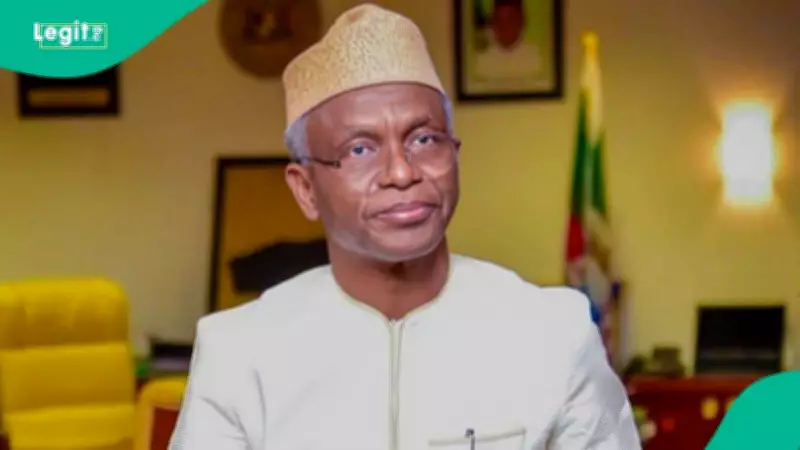
The Independent Corrupt Practices and Other Related Offences Commission (ICPC) has taken former Kaduna State governor Nasir El-Rufai into custody, shortly after he was granted bail by the Economic and Financial Crimes Commission (EFCC). This development occurred on Wednesday evening, February 18, 2026, in Abuja, turning what appeared to be his release into another round of detention.
Official Confirmation and Statement
Okor Odey, the spokesperson for ICPC, confirmed the detention in an official statement released on Thursday morning, February 19. The statement reads in full: "The Independent Corrupt Practices and Other Related Offences Commission (ICPC) writes to state that Malam Nasiru El-Rufai, the former Governor of Kaduna state, is in our custody as at close of work today Wednesday the 18th day of February, 2026. Malam Nasiru El-Rufai is in the custody of the commission in connection with investigations. More to follow..."
Background and Political Context
Nasir El-Rufai, who served as the governor of Kaduna State from 2015 to 2023, is a prominent chieftain of the African Democratic Congress (ADC). He is widely regarded as a key opposition figure in Nigerian politics. The ICPC's action follows his recent detention by the EFCC and the Department of State Services (DSS), indicating a coordinated effort by multiple anti-corruption agencies.
The former governor is believed to be under investigation for alleged acts of corruption and related offences. This case highlights ongoing efforts by Nigerian authorities to address corruption among high-profile political figures, particularly in the aftermath of his tenure as governor.
Implications and Public Reaction
This detention has sparked significant public interest and debate, given El-Rufai's status as a former state executive and opposition leader. It underscores the complexities of Nigeria's anti-corruption landscape, where multiple agencies may pursue overlapping investigations. The move by ICPC, coming immediately after EFCC bail, suggests a deepening probe that could have far-reaching political ramifications.
As the investigation continues, more details are expected to emerge. The case is being closely monitored by political analysts, civil society groups, and the media, who are keen to see how it unfolds in the context of Nigeria's broader governance and accountability frameworks.