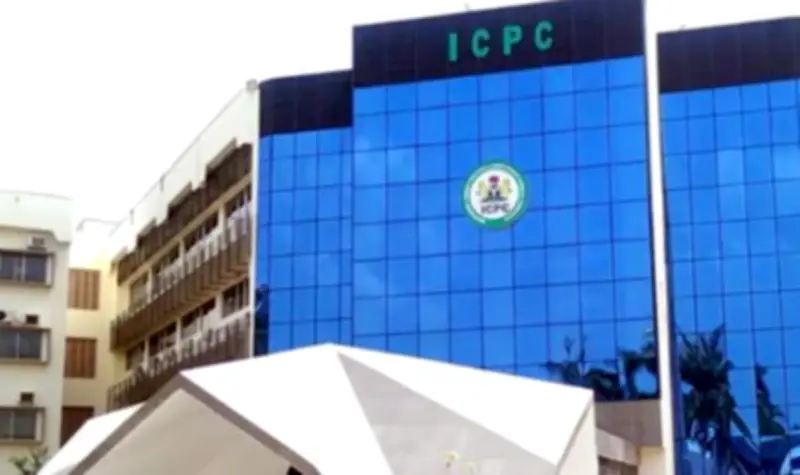
The Independent Corrupt Practices and Other Related Offences Commission (ICPC) has announced the recovery of N942 million from 908 suspected ghost workers across 50 Ministries, Departments, and Agencies (MDAs) in Nigeria. This recovery is part of the commission's ongoing efforts to eliminate payroll fraud and reduce the financial burden of phantom employees on the government's wage bill.
Details of the Recovery Operation
According to a statement issued by the ICPC spokesperson, Azuka Oguguo, the recoveries were made between January and June 2026. The commission identified the ghost workers through a combination of physical verification exercises, biometric audits, and data cross-referencing with the Integrated Payroll and Personnel Information System (IPPIS). The 50 MDAs involved include federal ministries, parastatals, and agencies across various sectors.
Oguguo stated: "The ICPC recovered a total of N942 million from 908 individuals who were either deceased, absconded, or never existed. These ghost workers had been drawing salaries from the government for years, causing significant financial losses to the nation."
Impact on Government Expenditure
The recovery is expected to save the government billions of naira annually. According to the ICPC, the ghost workers had been on the payroll for periods ranging from six months to over five years. The commission estimates that the total savings from removing these fictitious employees will exceed N1.5 billion per year, as the government will no longer pay their salaries and allowances.
The ICPC chairman, Dr. Musa Abubakar, emphasized the importance of these recoveries in the fight against corruption. "Every naira recovered from ghost workers is a naira that can be redirected to critical infrastructure, healthcare, and education. We are committed to ensuring that public funds are used for the benefit of all Nigerians," he said.
Mechanisms Used to Uncover Fraud
The ICPC employed advanced forensic auditing tools and collaborated with the Office of the Accountant General of the Federation to access IPPIS data. Field officers conducted surprise visits to MDAs to verify the physical presence of employees. In some cases, the commission discovered that entire departments had been inflating their staff lists to siphon funds.
One notable case involved a federal ministry where 45 ghost workers had been on the payroll for three years, costing the government over N240 million. The ICPC has since arrested and prosecuted several individuals involved in the fraud, including civil servants and IT personnel who manipulated the payroll system.
Broader Implications for Public Service Reform
This recovery is part of a wider government initiative to sanitize the public service and reduce the wage bill. The Federal Government has been under pressure to cut costs, with the wage bill consuming a significant portion of the national budget. In 2025, the government spent over N4 trillion on salaries alone, with estimates suggesting that up to 10% of that amount was lost to ghost workers.
The ICPC's actions have been praised by anti-corruption activists and civil society organizations. However, some experts argue that more needs to be done to prevent future occurrences. Dr. Oluwole Alabi, a public finance analyst, said: "While the recovery is commendable, the government must strengthen internal controls and automate payroll systems to prevent ghost workers from being added in the first place."
Next Steps for the ICPC
The ICPC has pledged to extend its verification exercises to all MDAs, including state and local government areas. The commission is also working with the National Identity Management Commission (NIMC) to integrate the National Identification Number (NIN) into the payroll system, making it harder for ghost workers to exist.
In addition, the ICPC has recovered N50 million in illegal allowances and has frozen bank accounts linked to the fraud. The commission has also launched a whistleblower program to encourage the public to report suspicious payroll activities.