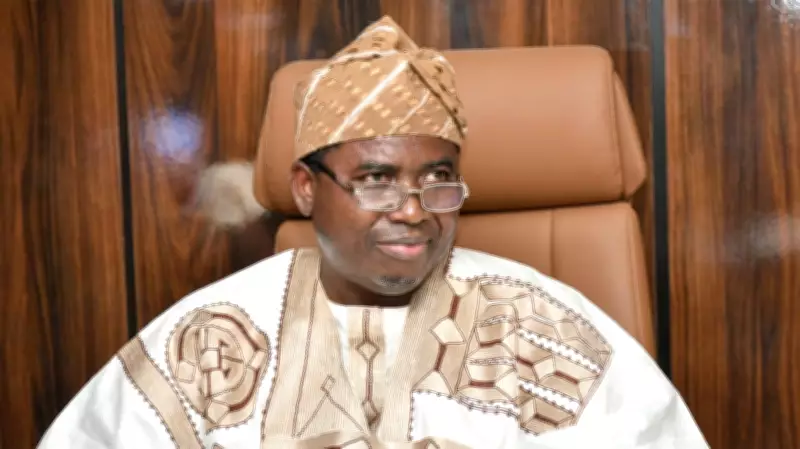
The Chairman of the Independent National Electoral Commission (INEC), Prof. Joash Ojo Amupitan, has called for the arrest and prosecution of individuals involved in vote buying, describing it as a criminal offence under the Electoral Act.
Amupitan made the call in a video while charging security and anti-corruption agencies to take stronger action against electoral fraud, stressing that institutions such as the Economic and Financial Crimes Commission (EFCC), Independent Corrupt Practices Commission (ICPC), and the Nigeria Police Force must ensure offenders are brought to justice.
“Vote buyers must be arrested and prosecuted, it’s a criminal offence under the Electoral Act. It is the responsibility of law enforcement agencies, most especially the EFCC, ICPC, and the police to ensure those involved in it are arrested and prosecuted,” he said.
The INEC chairman also urged political parties to desist from engaging in vote trading, warning that the practice undermines the credibility of elections and weakens democratic governance.
“We urge all political parties to refrain from this issue of vote trading,” he added.
This call comes amid growing concerns over the influence of money in elections, which many observers say erodes public trust in the electoral process. Amupitan emphasized that vote buying is not just a minor infraction but a serious crime that must be met with the full force of the law. He reiterated that INEC is committed to working with law enforcement agencies to ensure free and fair elections.
Role of Anti-Corruption Agencies
The INEC chairman specifically highlighted the critical roles of the EFCC and ICPC in tackling vote buying. He noted that these agencies have the mandate and resources to investigate and prosecute financial crimes, including those related to elections. By collaborating with the police, they can create a deterrent effect that discourages political actors from engaging in vote trading.
Impact on Democratic Governance
Amupitan warned that vote buying poses a direct threat to Nigeria's democracy. When votes are bought, the will of the people is subverted, and elected officials may feel beholden to those who financed their campaigns rather than to the electorate. This undermines accountability and good governance.
The INEC chairman's statement has been welcomed by civil society organizations, which have long campaigned for stricter enforcement of electoral laws. They hope that this renewed focus will lead to tangible actions and prosecutions before the next election cycle.