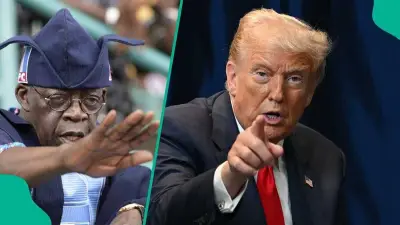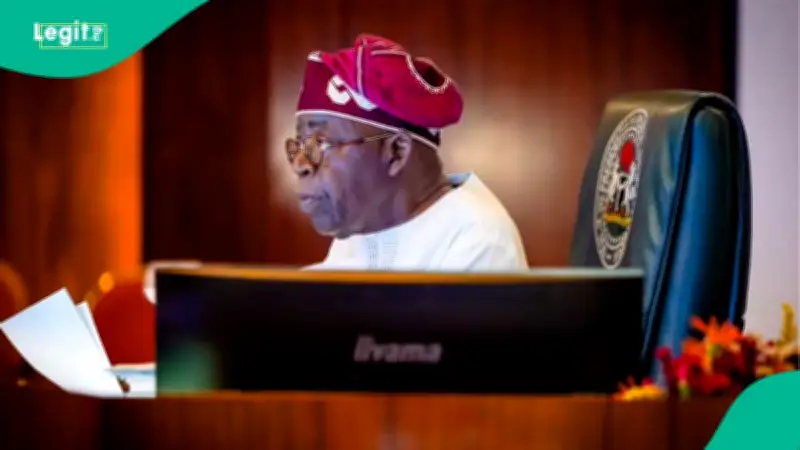
Nigerian lawyer Barrister Kalu Kalu has formally petitioned the European Commission in Brussels, presenting allegations against President Bola Tinubu. The petition, submitted directly, revisits claims of certificate forgery, a reported $460,000 drug-related forfeiture in the United States, and concerns about threats to Nigeria's constitutional democracy.
Petition Details and Allegations
The petition centres on two persistent accusations that have trailed Tinubu since before his 2023 election victory. The first concerns allegations that he forged academic certificates and other official documents. The second relates to a civil forfeiture of $460,000 in the United States, which critics have linked to proceeds connected to drug movement investigations.
The development was shared by Paul Ibe, media adviser to former Vice President Atiku Abubakar, who is the 2027 presidential candidate of the African Democratic Congress (ADC). According to Ibe, the lawyer has taken the long-standing controversies to the European Commission, a major multilateral institution beyond Nigeria's judiciary and political sphere.
Certificate Forgery and Drug Forfeiture Controversies
The certificate forgery allegations have centred on questions about Tinubu's academic records, particularly documents linked to the University of Chicago. Opponents have long argued that inconsistencies in those records raise questions about their authenticity, though Tinubu's supporters have consistently denied any wrongdoing.
The $460,000 forfeiture dates back to the 1990s, when the sum was surrendered to United States authorities. Critics have argued the circumstances surrounding the forfeiture implicate Tinubu in drug money allegations, while the presidency has previously rejected that characterisation.
Constitutional Concerns and Opposition Response
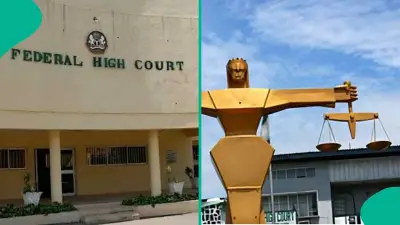
The petition also raised the question of democratic governance, with Kalu reportedly arguing that Tinubu's continued hold on power under the cloud of these unresolved allegations constitutes a challenge to Nigeria's constitutional framework. The issues have remained a rallying point for opposition figures and civil society activists since Tinubu's election.
Various legal challenges have been filed in Nigerian courts over the years. Taking the matter to the European Commission represents a fresh avenue in what has become one of the most enduring political controversies of his presidency.