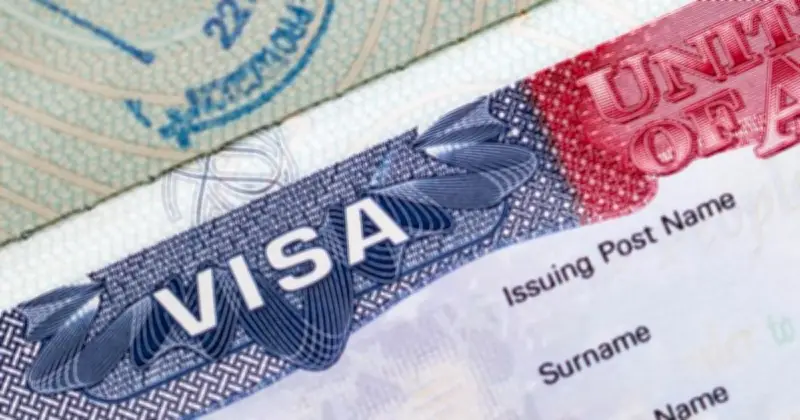
Nigerians can still apply for and obtain U.S. visas in 2026, but new regulations have introduced stricter screening, financial requirements, and social media checks. Under Presidential Proclamation 10998, effective January 1, 2026, Nigeria falls under a partial suspension category, meaning visa applications are accepted but with additional restrictions depending on the visa type.
Visa Bond Pilot Program for B1/B2 Applicants
One of the most significant changes is the Visa Bond Pilot Program. Some B1/B2 visitor visa applicants (for tourism, business, or medical purposes) may be required to pay a refundable security bond of $5,000, $10,000, or $15,000. This bond serves as a financial guarantee that the visitor will comply with visa terms and leave the U.S. before their authorized stay expires. The bond is not paid during the application; it is only required if a consular officer instructs after the interview. Payments must be made via the official U.S. Treasury payment platform, Pay.gov. If the traveler departs the U.S. on time through designated ports, the bond is automatically refunded.
Expanded Social Media Screening
Applicants for B1/B2 visitor visas, F and M student visas, and J-exchange visitor visas may need to make their social media accounts publicly accessible during vetting. U.S. authorities will review online activity as part of background checks. It is advisable to review Facebook, Instagram, X, and other accounts before applying.
Immigrant Visa Processing Paused
For Nigerians seeking permanent relocation, embassy-level processing for immigrant visas (Green Card visas) remains paused under current restrictions. Legal challenges in U.S. courts continue, but the suspension is still in effect. Existing visa holders are unaffected: any valid U.S. visa issued before December 31, 2025, remains valid and can be used for travel.
U.S. Visa Fees in Nigeria
The non-refundable Machine Readable Visa (MRV) fee applies to all applications. Current fees are: B1/B2 (tourism, business, medical) – $185 (about ₦269,000); F1/M1 (academic/vocational study) – $185 plus $350 SEVIS fee; J1 (exchange programs) – $185 plus $220 SEVIS fee; H, L, O, P (temporary work visas) – $205 (about ₦297,500). Naira amounts may vary based on the embassy's exchange rate.
Step-by-Step Application Process
Despite tighter rules, the application process remains largely unchanged. First, review social media accounts to ensure compliance. Complete the DS-160 form online, ensuring all information matches your passport and documents, then print the confirmation page. Register on the U.S. visa appointment portal, select Nigeria, and enter your DS-160 confirmation number. Pay the MRV fee through approved channels and keep the receipt. Schedule a visa interview at the U.S. Embassy in Abuja or the U.S. Consulate General in Lagos; slots fill quickly, so book early. Prepare evidence of strong ties to Nigeria, such as employment letters, payslips, property documents, marriage certificates, and children's birth certificates. For B1/B2 applicants, be financially prepared for a possible bond; do not pay anyone claiming to arrange it. Attend the interview with your passport, previous passports, DS-160 confirmation, appointment confirmation, and supporting documents. Answer honestly. If approved and a bond is required, follow official instructions to pay via Pay.gov before your passport is returned with the visa.
Key Takeaways
The United States has not imposed a blanket ban on Nigerians, but the process is now more stringent. Applicants face stricter background checks, enhanced social media screening, and for some visitor visa applicants, the possibility of a refundable security bond up to $15,000. Preparation is crucial: ensure accurate documents, demonstrate strong ties to Nigeria, follow only official channels, and avoid shortcuts. For Nigerians with genuine travel, study, or business plans, obtaining a U.S. visa remains possible, but understanding the new rules is essential before applying.