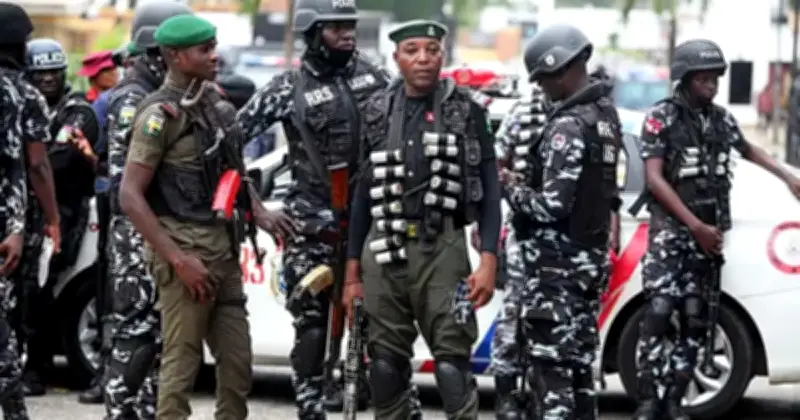
The Nigerian Senate has approved a constitutional amendment that establishes state-controlled police forces, granting state governors the direct authority to appoint Commissioners of Police and deploy officers without waiting for federal approval. This landmark reform aims to tackle Nigeria's rising insecurity by enabling faster, more localised emergency response times. However, critics warn the new system could be abused to rig elections and suppress political rivals.
Senate Push for Constitutional State Police
The National Assembly has approved a constitutional amendment that creates state police, giving governors the power to appoint Commissioners of Police for their respective states. If the amendment completes all remaining constitutional requirements, it would mark one of Nigeria's biggest policing reforms since independence. The bill amends Section 214 of the Nigerian Constitution to provide for state police.
Why This Matters
Nigeria currently operates a centralised police system. Although governors are widely described as the "Chief Security Officers" of their states, they have no direct command over the Nigeria Police Force. State Commissioners of Police answer to the Inspector-General of Police and the Police Service Commission at the federal level, not to governors. This arrangement has often created awkward moments. During outbreaks of banditry, communal clashes, kidnappings and election violence, governors have repeatedly complained that they lacked the authority to deploy or direct police officers without federal approval.
Proposed Changes Under the New System
The new constitutional amendment seeks to change that. Under the proposed system, each state will have its own police service headed by a Commissioner of Police appointed by the governor. Officers recruited and managed within the states will better understand local communities, respond faster to crimes and improve intelligence gathering. In countries like the United States, Canada and India, policing responsibilities are largely shared between federal and state authorities. Nigeria's growing population and security challenges have made a single, centrally controlled police force increasingly difficult to manage effectively.
Critics Warn of Potential Abuse
However, not everyone is convinced. Many others disagreed stating that it was already a tool abused to keep presidents subjected to the president's control. While others argued that there is already too much oppression carried out by those entrusted to protect the gates. Reacting to the development on X, Morris Monye said he was not entirely convinced by the idea. "I do not completely agree with state police. It might be tools by Governors to rig their state elections." Some fear governors could use police under their control to intimidate opposition parties, influence local elections or suppress dissent. Supporters, however, argue that those risks can be reduced through constitutional safeguards, independent oversight bodies and judicial checks that prevent abuse of power.
What Changes for Nigerians?
If the reform takes full effect, several major changes could follow: Governors would appoint Commissioners of Police for their states. States could establish and manage their own police services. Security decisions could become more localised and potentially faster. Recruitment could focus more on residents who understand local languages, culture and terrain. Responsibility for policing would increasingly be shared between federal and state authorities.
The Bigger Picture
The approval of state police represents more than just another constitutional amendment. It signals a shift in how Nigeria may tackle security after years of growing pressure on the federal police system. Whether it leads to safer communities or opens the door to new political battles will depend largely on how the law is implemented, the safeguards eventually put in place and whether accountability keeps pace with the expanded powers handed to state governments.