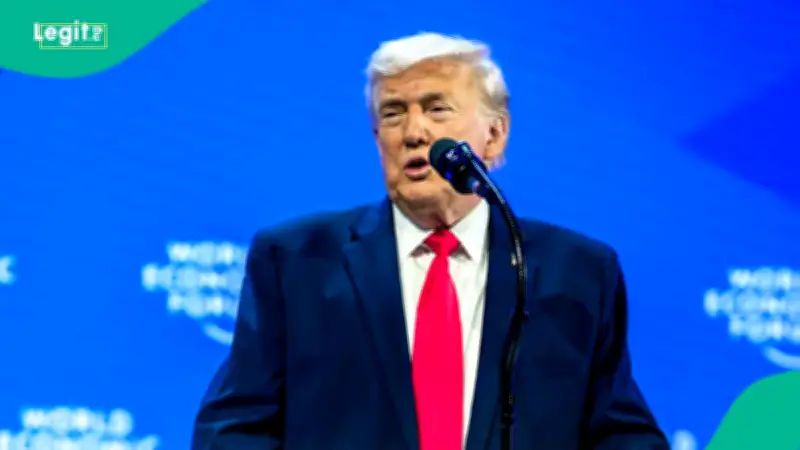
The United States Supreme Court has upheld birthright citizenship, dealing a major setback to President Donald Trump after striking down his executive order seeking to end the long-established constitutional right. The ruling keeps intact the principle that anyone born on American soil is automatically a US citizen under the 14th Amendment.
Key Details of the Ruling
The court rejected Trump's executive order in a 6 to 3 decision. The ruling preserves a constitutional practice that has existed for about 160 years and guarantees citizenship to people born in the United States regardless of their parents' immigration status. The decision came as broader legal disputes over immigration, deportation policies and border enforcement continued across the United States.
Impact on Immigration Trends
Analysts say keeping birthright citizenship in place is expected to reduce the size of the undocumented population over time. If the executive order had taken effect, children born to undocumented parents would not have received automatic citizenship, potentially increasing the number of people living without legal status.
Immigrant Population and Economic Contributions
The country's immigrant population continued to grow between 2010 and 2024. By 2024, immigrants accounted for about 50.2 million people, representing nearly 14.8 per cent of the total population. According to figures from the American Immigration Council, immigrants paid about 652 billion dollars in taxes during 2023. They also generated an estimated 1.7 trillion dollars in spending power, making them an important part of the US economy.
Undocumented Immigrants and Legal Challenges
Recent estimates indicate that more than 13 million undocumented immigrants live in the United States. The issue has remained central to Trump's immigration agenda since returning to office. Beyond birthright citizenship, courts are considering challenges involving deportation measures, the use of wartime powers and agreements designed to identify undocumented migrants through government data sharing.
Political and Geographic Context
States such as California, New Jersey and New York have opposed several federal immigration measures through the courts. These states have challenged both the birthright citizenship order and other federal immigration enforcement policies. People continue to migrate to the United States from across the world. However, Mexico remains the largest source of immigrants, followed by India and China.
Background on Trump's Immigration Actions
Earlier, Legit.ng reported that President Donald Trump disclosed two security and compliance reasons behind the decision to place Nigeria on a fresh list of countries facing new United States travel restrictions, following the signing of a proclamation that tightens entry rules for nationals of several nations deemed high risk. The proclamation, signed on Tuesday, December 16, expanded existing US travel controls to cover 15 additional countries, with Nigeria among those subjected to partial restrictions.