The Hard Path to Change
History teaches that meaningful change requires sacrifice, discipline, and sometimes the application of force. From conception to nation-building, nothing valuable comes without effort. If certificates and trophies could be earned without struggle, everyone would possess them. As the saying goes, if wishes were horses, beggars would ride.
Rules of engagement are essential for progress. Piloting an aircraft demands rigorous training and enforcement. Compromising these rules leads to national catastrophe. Countries like China, India, Rwanda, and many Asian and Middle Eastern nations achieved success only after implementing hard policies without discrimination, regardless of the power or influence of individuals or groups, for the collective good.
Barking Without Biting
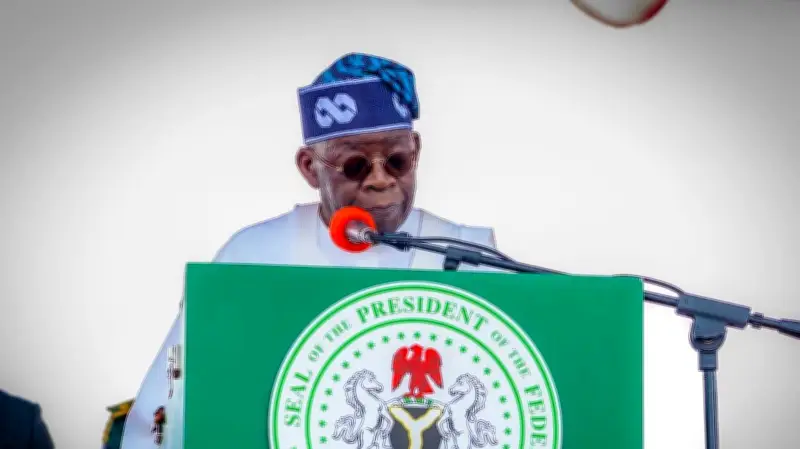
Under President Bola Tinubu, we have seen much barking but insufficient biting to drive radical transformation. The administration of former President Olusegun Obasanjo provides a contrasting example. Obasanjo initiated and enforced policy changes regardless of whose interests were affected, bulldozing his way through. This approach sustained Nigeria for a while before decline set in due to lack of continuity.
Between 1999 and 2007, Nigeria experienced decisive executive action that delivered measurable results. The Obasanjo administration secured $18 billion in external debt relief, consolidated the banking sector, liberalized GSM, and maintained single-digit inflation. Enforcement was key: public officials were sacked, contracts revoked, and entrenched interests challenged when they undermined national interest. The state asserted itself over private networks profiting from dysfunction.
Nigeria's Decline Since Obasanjo
After Obasanjo, Nigeria regressed across core indicators. Voter turnout fell from 53.7% in 2011 to 26.72% in 2023, reflecting eroded public trust. Insecurity expanded from the Northeast to the Northwest, North Central, and parts of the South, with banditry, kidnapping, and oil theft operating as parallel economies. Infrastructure and power stagnated despite reform promises. Public confidence in elections, institutions, and state capacity weakened cycle after cycle.
The pattern is consistent: each administration inherits problems, announces reforms, but fails to break the hold of networks benefiting from a weak state.
Tinubu's Reforms: A Good Start
President Tinubu's first three years show clear intent to break deadlocks. The removal of fuel subsidy and unification of the foreign exchange market ended two of the largest rent-seeking systems. These are structural steps previous administrations discussed but did not execute. However, policy enablement alone is insufficient.
The persistent challenge is the inability or unwillingness to confront organized criminal and political networks sponsoring killings, kidnapping, and attacks that make large parts of the country ungovernable. The Tinubu administration has not demonstrated the same capacity for ruthless disruption of these interests that characterized the Obasanjo years. Without biting power, reforms risk being absorbed by the systems they aim to dismantle.
The Way Forward
Nigeria does not lack policy papers or reform plans. It lacks the political will to apply consequences to actors who profit from insecurity and sabotage governance. If President Tinubu intends to be remembered as more than a reformer on paper, he must match economic reforms with security enforcement targeting financiers and sponsors of violent crime, not just foot soldiers. He must assert federal authority over sub-national actors and private networks obstructing policing and justice. He must make visible examples of accountability to restore public belief that the state is stronger than the gangs and cartels operating within it.
Nigerians are tired of explanations without enforcement. If domestic capacity is insufficient, the state must secure its citizens by any legitimate means available. The first duty of government is to protect the people. As Thomas Jefferson said, “A nation can survive its fools, and even the ambitious. But it cannot survive treason from within.” Marcus Tullius Cicero also noted: “When a country is at war, the duty of its leaders is to win that war by whatever lawful means.” If special interest groups sponsoring killings, kidnapping, and sabotage cannot be dismantled by current structures, seeking foreign military and intelligence support is not weakness; it is responsibility. A sovereign state that cannot protect its territory and citizens ceases to be sovereign.
It would be dishonest to ignore what President Tinubu has done right. For decades, leaders spoke about subsidy removal and FX reform but backed down when political costs became visible. In three years, this administration took both steps, stopped the bleeding of public funds, and created fiscal space. That takes political courage and is the first time in a generation that Nigeria has faced its structural distortions head-on. The foundation for a different economy has been laid. The test now is to ensure that foundation is not undermined by criminal networks that have captured the state’s security space.
Alabi Esq. is a political analyst, tax consultant, National Chairman of Ondo State Eminent Persons Group, and Alternate Chairman, Nigeria Bar Association, Eti Osa chapter.