Campaigns for Nigeria's 2027 presidential election officially kicked off on Wednesday, with the economy, inflation, cost of living and insecurity expected to dominate the race. President Bola Tinubu, Peter Obi and Atiku Abubakar are competing for votes ahead of the January 16, 2027 presidential election.
Tinubu defends painful economic reforms
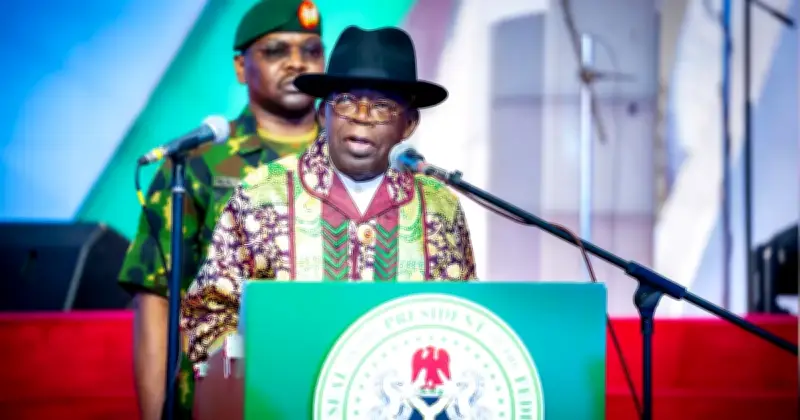
President Bola Tinubu officially began his re-election campaign after almost four years in office. Since taking office in 2023, Tinubu has pushed through major economic reforms that many previous governments avoided, including removing Nigeria's long-running fuel subsidy and allowing the naira to trade more freely. Economists and international investors largely welcomed the moves, saying they were necessary to fix long-standing problems in Africa's biggest economy. The government argues that the reforms have improved public finances, boosted investor confidence and restored credibility to economic management.
Inflation, which climbed above 34% earlier in the year, has slowed to 15.4% in July. However, many Nigerians say they are yet to feel any relief in their everyday lives.
Nigerians prioritise survival and security
For many Nigerians, the 2027 presidential election came down to two things: whether they could still afford everyday essentials and whether they felt safe in their communities. Across markets and communities, many voters say the election will be decided by what they can afford to buy and whether they feel safe.
"The most important issues for me are the economy and cost of living," said civil servant Afolayan Abdullahi, 42, who said he intended to vote for Tinubu. At Abuja's Garki Market, butcher Abdullahi Sani described how rising costs have affected his business. "Five years ago, I used to sell six goats a day. Now I struggle to sell two, sometimes just one," he said. "It is difficult to make a profit and feed my family."
Street vendor Becky Alegbe also said insecurity and transport costs may even stop her from voting. "Nigeria is not safe; terrorists, kidnappers, bandits everywhere," she said. The 28-year-old, who is registered to vote in Edo State, said travelling home has become too expensive and risky. "For me to take the risk to travel… I will not take that."
Opposition hopes frustration will translate into votes
Peter Obi and Atiku Abubakar have built much of their campaigns around widespread dissatisfaction with the APC government. Their argument is simple: after more than a decade of APC leadership, many Nigerians believe the country has become poorer, more indebted and less secure. Political risk analyst Cheta Nwanze believes public opinion currently favours that narrative. "Our voter tracker shows nearly 80% of Nigerians say the country is headed in the wrong direction with 45% citing economic hardship and insecurity as their top concern."
Despite that, analysts say the opposition still faces a major problem. The anti-Tinubu vote remains divided, a situation that worked in the president's favour during the 2023 election and could do so again if opposition parties fail to unite behind a single candidate.
Security remains another major issue
Beyond the economy, insecurity continues to worry millions of Nigerians. The country is still battling attacks by jihadist groups in the North-East, armed bandits across the North-West and North-Central, kidnappers demanding ransom and separatist violence in parts of the South-East. Human rights groups say thousands of people have been killed since Tinubu assumed office, while school kidnappings and attacks on farming communities continue to affect daily life.
According to Auwal Musa Rafsanjani of CISLAC/Transparency International Nigeria, the election is bigger than politics. "For ordinary Nigerians, this election is fundamentally about survival, security ... whether families can afford food, whether farmers can safely return to their farms."
Tinubu's All Progressives Congress (APC) still enters the race with significant political advantages. The party controls the National Assembly and governs 31 of Nigeria's 36 states, giving it one of the strongest political structures in the country. However, analysts believe the biggest question voters will ask before casting their ballots is straightforward: Has life become better? With campaigns now officially underway, candidates have five months to convince Nigerians they have the answers to the country's biggest challenges. Whether voters reward Tinubu for difficult reforms or decide it's time for a different direction will become clear when Nigerians head to the polls on January 16, 2027.