Atiku Demands INEC Reschedule 2027 General Elections Over Ramadan Clash
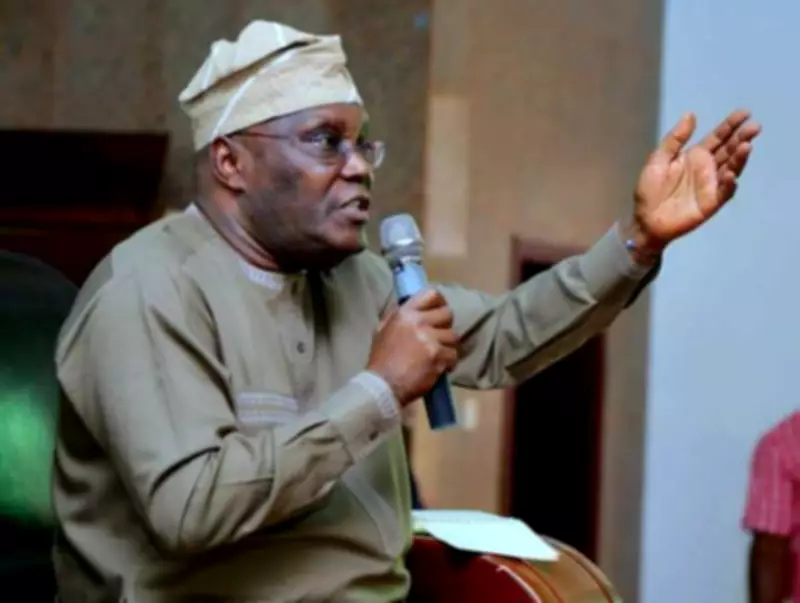
Former Vice-President Atiku Abubakar has issued a strong appeal to the Independent National Electoral Commission (INEC), urging it to reconsider the scheduled dates for the 2027 general elections. This call comes amid concerns that the election timetable directly conflicts with the Islamic holy month of Ramadan, potentially disenfranchising millions of Nigerian Muslim voters.
INEC's Announced Election Dates and Constitutional Basis
INEC recently announced that the presidential and National Assembly elections will be held on February 20, 2027, followed by governorship and State Houses of Assembly elections on March 6, 2027. The commission stated that these dates were selected in strict accordance with the provisions of the 1999 Constitution of Nigeria, as amended, which mandates specific timelines for electoral processes.
Ramadan Projection and Scheduling Conflict
However, the timetable has sparked significant controversy because Ramadan, the Islamic month of fasting and spiritual devotion, is projected to begin around February 8 and conclude approximately on March 10, 2027. This projection places both election dates squarely within the Ramadan period, raising alarms about voter participation and logistical challenges.
Atiku's Statement on Electoral Timing and Sensitivity
In a detailed statement, Atiku Abubakar highlighted that the February 20 poll falls "squarely within the Ramadan period," emphasizing that this month is a time of intense fasting, reflection, and spiritual commitment for millions of Nigerian Muslims. He argued that elections are not mere administrative exercises but require "maximum participation, physical endurance, and collective focus" from all citizens.
Atiku criticized the scheduling as reflecting poor judgment and a troubling lack of sensitivity to Nigeria's socio-religious realities. He pointed out that in a plural society like Nigeria, inclusive decision-making is crucial for national cohesion and democratic integrity.
Call for Inclusive Decision-Making and Electoral Competence
Atiku maintained that selecting election dates that accommodate broad public interests demonstrates competence and foresight from electoral bodies. He questioned INEC's ability to deliver free, fair, and credible elections in 2027 if it struggles with such a fundamental matter as timing. "If INEC struggles with getting a simple matter of timing right, Nigerians are justified in asking: what assurance do we have that it will competently deliver free, fair, and credible elections in 2027?" he queried.
This appeal underscores ongoing debates about electoral planning in Nigeria's diverse religious landscape, with stakeholders calling for more considerate scheduling to ensure all citizens can participate fully in the democratic process.