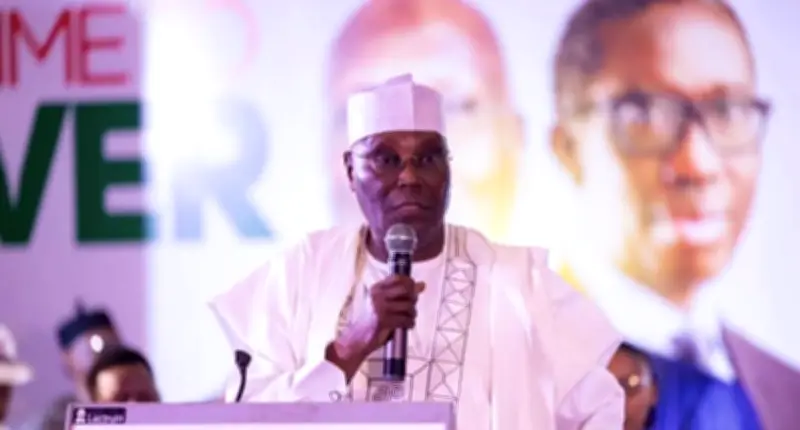
Former Vice President Atiku Abubakar has reiterated his commitment to restore petrol subsidy in Nigeria, directly contradicting a recent statement by one of his aides. The clarification came amid growing confusion over the presidential candidate's stance on fuel pricing, a sensitive issue that has shaped public discourse since the removal of the subsidy in 2023.
Atiku's Firm Stance on Subsidy Restoration
In a statement released on Wednesday, Atiku's media office emphasized that the former Vice President remains unwavering in his position to bring back the petrol subsidy if elected in 2027. The statement was issued in response to comments attributed to a member of his campaign team, who had suggested that Atiku might consider a different approach to fuel pricing.
According to the statement, Atiku believes that the current economic hardship faced by Nigerians necessitates a return to subsidized petrol. He argued that the removal of the subsidy has led to a significant increase in the cost of living, disproportionately affecting the poor and vulnerable. The former Vice President has consistently maintained that any economic reform must be accompanied by measures to cushion the impact on ordinary citizens.
Rejection of Aide's Conflicting Position
Atiku's media office categorically rejected the aide's conflicting position, describing it as unauthorized and not reflective of the candidate's views. The statement stressed that Atiku alone determines policy positions and that all campaign staff must align with his directives. It further warned that any deviation from the official stance would be addressed accordingly.
The clarification was necessary to avoid confusion among supporters and the general public, especially as the 2027 election campaigns begin to gain momentum. Atiku's team emphasized that the issue of fuel subsidy is a critical component of his economic agenda, and any misrepresentation could undermine his credibility.
Economic Context and Public Reaction
The debate over petrol subsidy has been intense since the Nigerian government removed it in May 2023, leading to a tripling of fuel prices. The policy has been widely criticized for exacerbating inflation and transportation costs, which have strained household budgets across the country. Atiku has repeatedly criticized the removal, calling it ill-timed and lacking adequate palliative measures.
In his earlier statements, Atiku proposed a phased approach to subsidy removal, coupled with investments in refining capacity and social safety nets. He has also advocated for the revival of local refineries, including the Port Harcourt and Dangote refineries, to reduce dependence on imported fuel. His latest declaration reinforces his commitment to these proposals.
Political analysts have noted that Atiku's stance could resonate with voters who have borne the brunt of subsidy removal. However, critics argue that restoring the subsidy would strain government finances and undermine long-term economic reforms. The former Vice President has countered such concerns by insisting that a targeted subsidy system, rather than an open-ended one, could be implemented efficiently.
Next Steps and Implications
As the 2027 election approaches, Atiku's position on fuel subsidy is likely to remain a central theme in his campaign. His team has promised to release a detailed economic blueprint that outlines how the subsidy would be funded and managed. The statement also called on Nigerians to disregard any contrary information emanating from unofficial sources.
Atiku's clarification serves to consolidate his campaign message, but it also highlights internal coordination challenges within his political camp. Moving forward, the former Vice President's ability to present a unified policy front will be crucial in convincing voters of his readiness to address Nigeria's economic challenges.