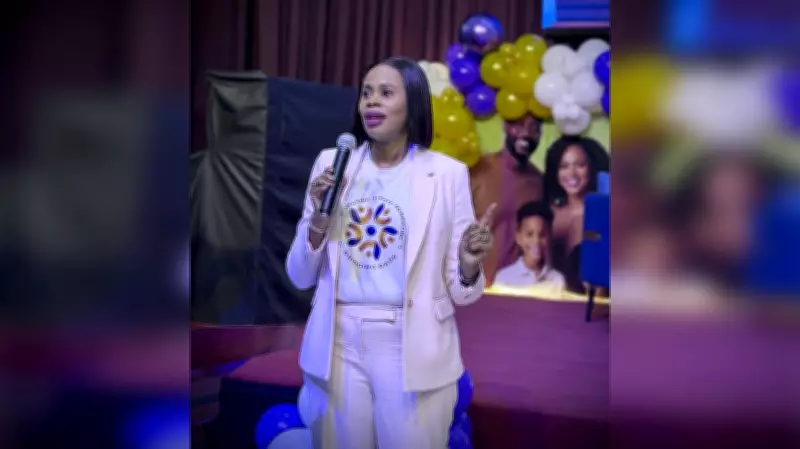
Parents of children with special needs have been urged to reject stigma, embrace their children with love and patience, and advocate for inclusive opportunities that allow them to thrive in society. The call was made in Abuja during the 2026 International Day of Families commemorative event organised by the Jewels Leading Lights Foundation, where stakeholders also demanded stronger implementation of inclusive education policies and improved support systems for children living with developmental disabilities.
Event Highlights and Theme
The event, themed “Families, Inequalities and Child Wellbeing,” brought together parents, teachers, therapists, government officials, and disability advocates to address the social and economic barriers confronting families raising children with autism, ADHD, Down syndrome, dyslexia, cerebral palsy and other developmental conditions.
Keynote Address by Queen Linda Turner
Speaking at the event, the keynote speaker and Founder of the Linda Hope Initiative, Queen Linda Turner, said many parents still experience emotional trauma and social rejection after discovering that their children have special needs because of widespread ignorance and cultural misconceptions surrounding disability. She urged families to see children with disabilities not as burdens or punishments, but as individuals deserving dignity, acceptance, and equal opportunities.
“My message to parents is to embrace their children with patience and love. Children with disabilities are not punishments; they are opportunities for society to learn compassion, acceptance, and humanity,” she said.
Turner noted that the way families and communities respond to children with developmental conditions would largely determine their confidence, emotional wellbeing, and future integration into society. She also stressed the need for sensitivity in discussing disability issues, warning that harmful labels, stereotypes, and insensitive language often worsen the emotional and psychological burden carried by parents and caregivers.
The keynote speaker further called on government to treat autism and developmental disorders as important public health and social welfare concerns by expanding intervention centres, awareness campaigns, and support services for families. According to her, despite the existence of disability-related laws and policies in Nigeria, many children living with autism still lack access to specialised educational services and intervention support.
Executive Director’s Remarks on Inequality
Earlier, the Executive Director of Jewels Leading Lights Schools, Mrs. Oluwatoyin Oboh, said inequality remained one of the biggest obstacles affecting children with special needs and their families. According to her, access to diagnosis, therapy, and inclusive learning environments still depends largely on a family’s financial capacity, leaving many children from low-income homes undiagnosed and unsupported.
“A child born into a family that can afford intervention is more likely to thrive, while another child with the same condition may never even receive proper diagnosis simply because the parents cannot afford it. This is not destiny; this is inequality,” she said.
Oboh maintained that inclusive education should no longer be treated as a privilege available only to wealthy families, insisting that it must become a standard practice across the country. She also called for effective implementation of the Discrimination Against Persons with Disabilities (Prohibition) Act, 2018, and the National Policy on Inclusive Education, stressing that policies alone would not improve realities unless governments deliberately invested in schools, teachers, and families.
“Inclusion is not charity; it is justice. Every child deserves dignity, opportunity, and support regardless of their condition,” she stated.
The education advocate commended parents raising children with disabilities for their resilience despite social stigma, emotional stress, and financial hardship. “You have become therapists in your homes, advocates in your communities and pillars for your children despite the burden you carry,” she told the parents.
She equally praised teachers working in overcrowded classrooms with limited training and inadequate teaching materials, saying many educators continued to support children with diverse learning needs despite systemic challenges.
Foundation’s Work and Commitment
Oboh explained that the foundation was established to extend inclusive education services to underserved families beyond fee-paying schools. She disclosed that since 2013, the organisation had worked with children living with autism, ADHD, dyslexia, Down syndrome, cerebral palsy, speech delays and other developmental conditions through teacher training, subsidised therapy, early intervention services, scholarships and bursaries.
“We are committed to ensuring that no child is left behind because of disability or poverty,” she said.
Parents’ Perspectives and Challenges
Parents at the event also highlighted the emotional, financial and educational challenges associated with raising children with special needs, while urging government agencies to strengthen monitoring and enforcement of inclusive education policies.
One of the parents, Mrs. Ire Charles-Osagiede, described the repeated rejection of autistic children by schools as painful and discriminatory. “My son is intelligent and has so much potential, but finding schools and facilitators that truly understand autism has been very difficult,” she said.
She accused some schools of claiming to operate inclusive systems without adequately training teachers or creating supportive learning environments for neurodivergent children. “Government must go beyond policies and ensure schools that claim to be inclusive are properly monitored and equipped,” she added.
Another parent and human resource professional with the National Space Research and Development Agency, Mrs. Chioma Charles, described her 11-year-old son with special needs as a blessing rather than a burden. She said early diagnosis and intervention significantly improved her child’s development and encouraged parents to seek professional help once developmental concerns are noticed.
“As a first-time mother, I initially thought he would naturally catch up with time. Thankfully, the school helped draw my attention to it early enough, and that intervention made a huge difference,” she said.
Charles also stressed the importance of emotional and mental support for parents and caregivers, noting that many families silently battle stress, depression and anxiety while caring for children with developmental conditions. “When we gather like this, many parents realise they are not alone. Caring for yourself is equally important,” she said.
Teachers’ Contributions and Recommendations
Teachers from public and private schools across the Federal Capital Territory also commended the initiative, describing it as timely and impactful in strengthening inclusive classroom practices. The teachers said the workshops exposed them to practical approaches for managing learners with autism and other special needs within regular classroom settings, particularly in schools with limited resources.
They, however, called on government and relevant stakeholders to sustain teacher training programmes, provide inclusive learning materials, and deploy more specialists to schools to improve support for children with developmental disabilities.
Breakout Sessions and Workshops
The event featured breakout sessions and hands-on workshops on behavioural support, inclusive teaching strategies, early intervention techniques, classroom management, and Montessori-based learning methods for children with special needs.